Jacka Family
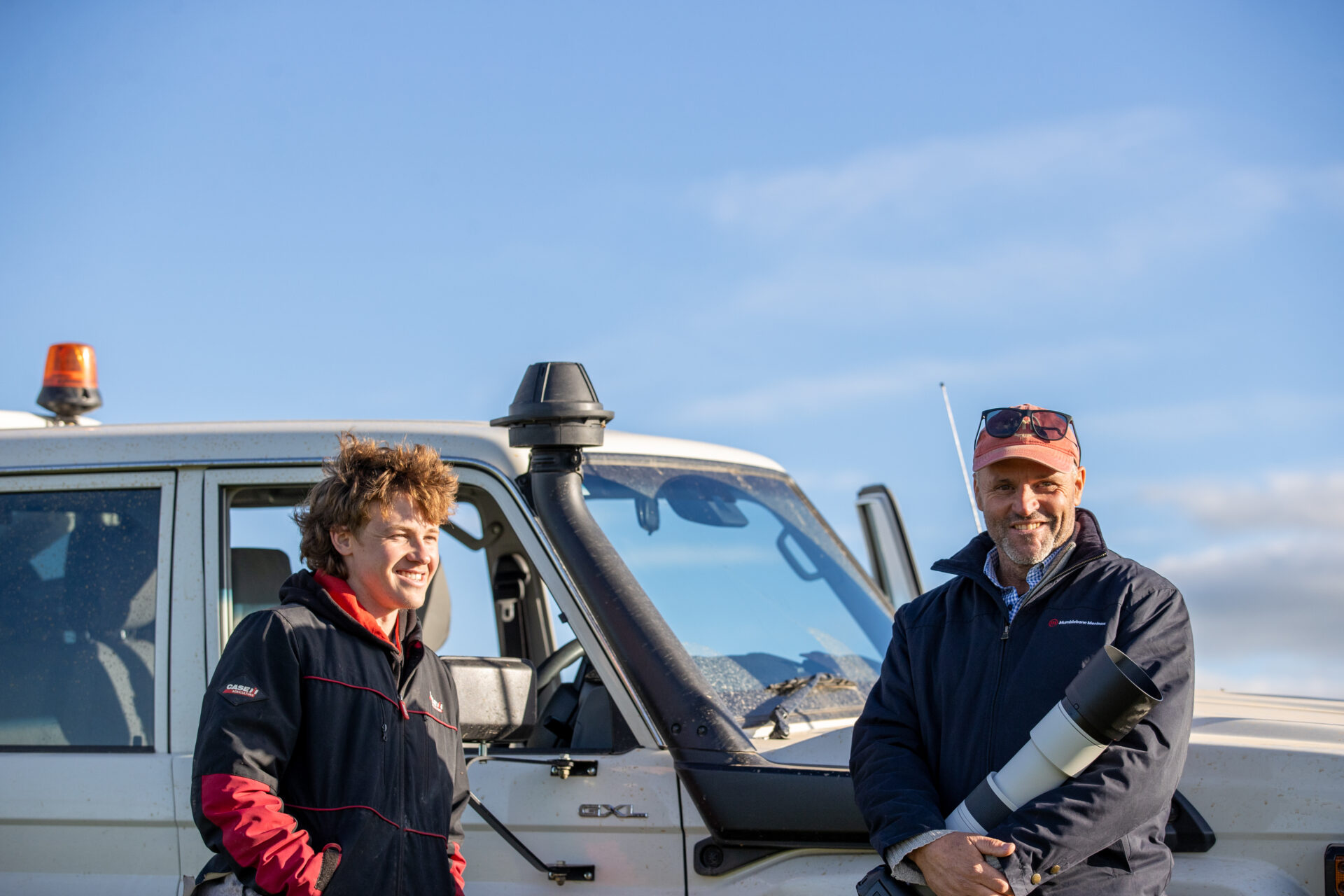
“I was fifteen when we bought our first Mumblebone rams, and we haven't looked back since.”
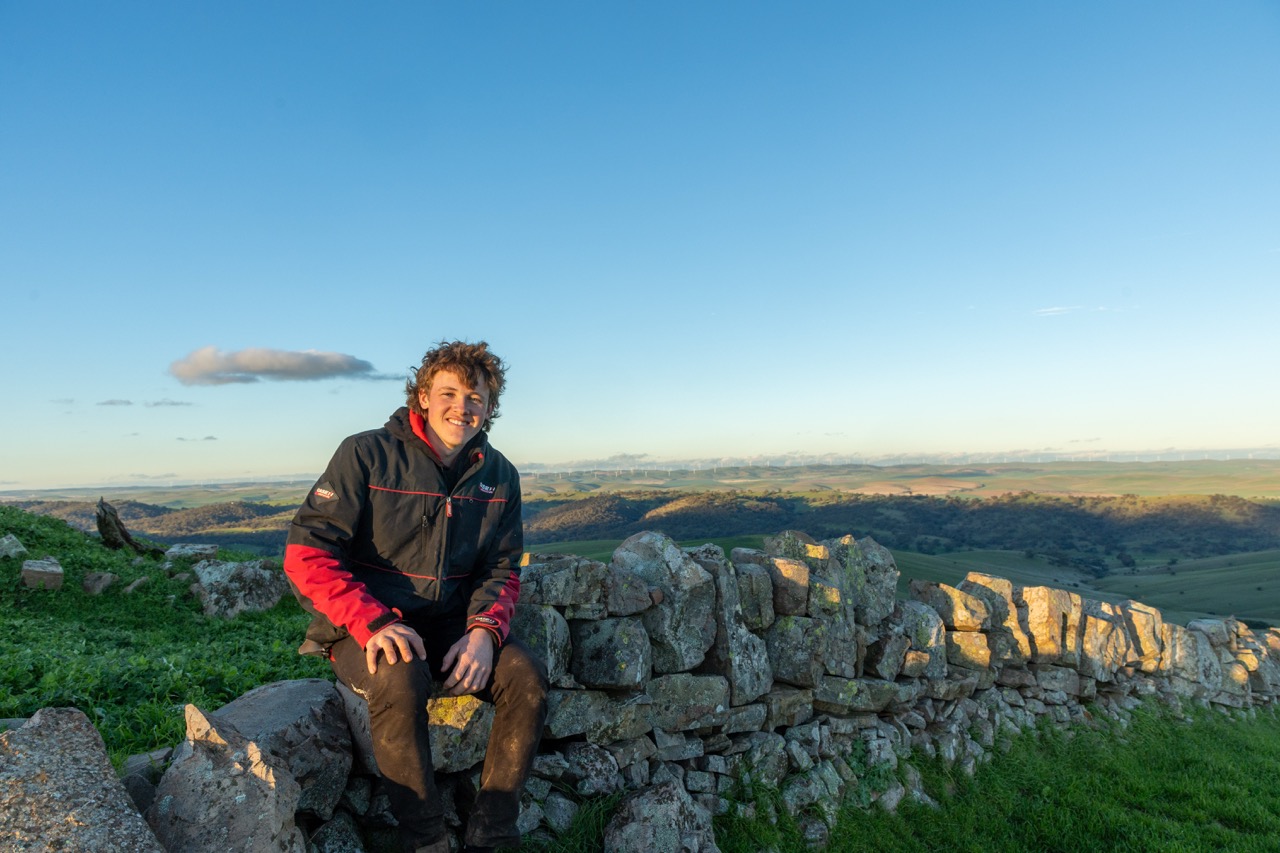
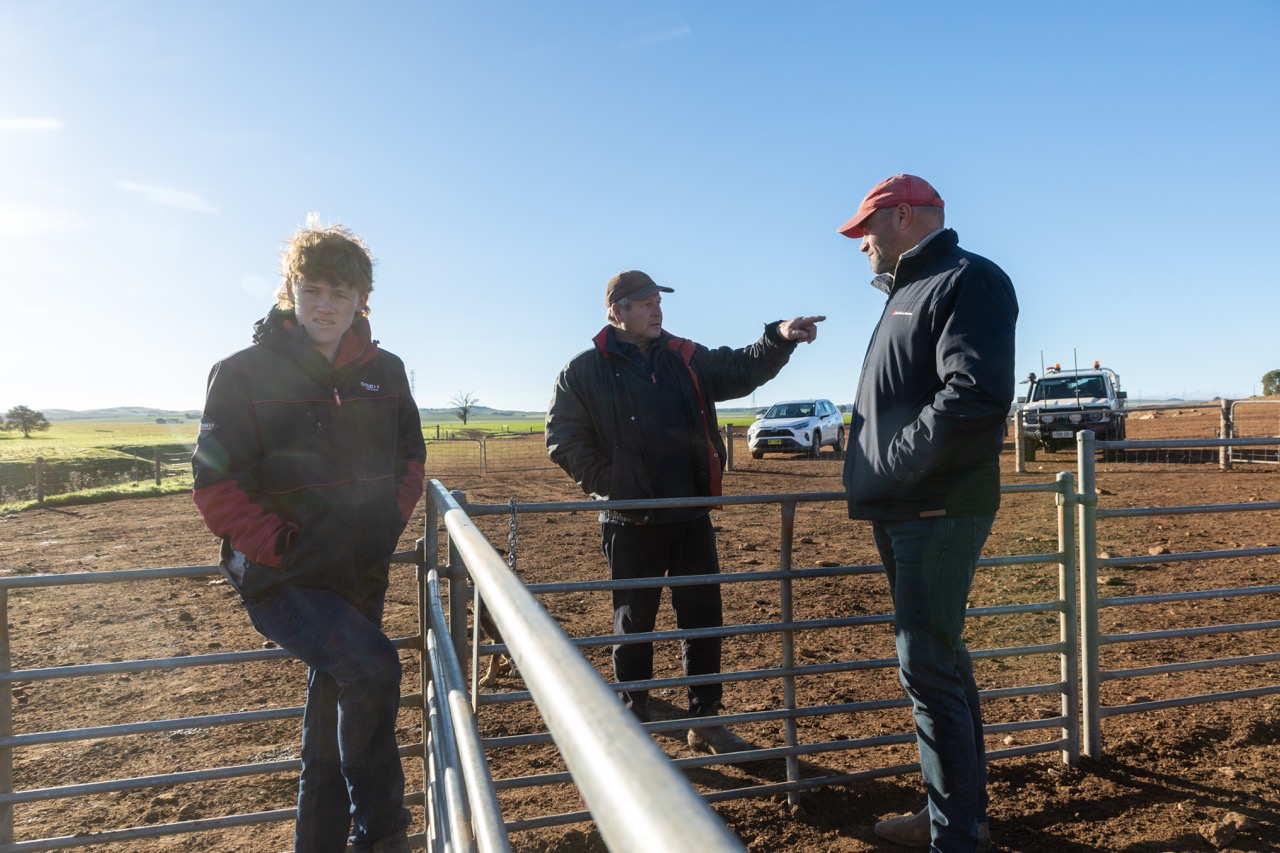
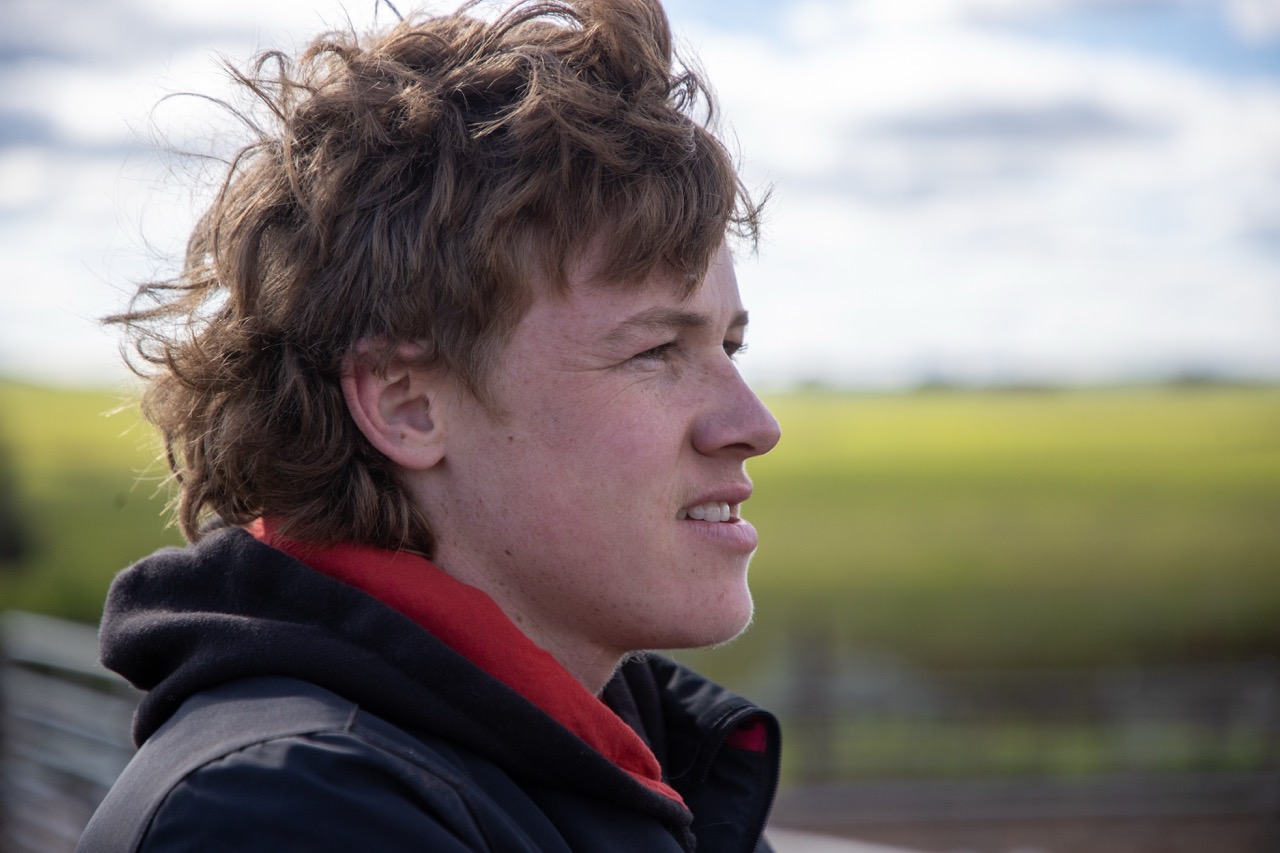
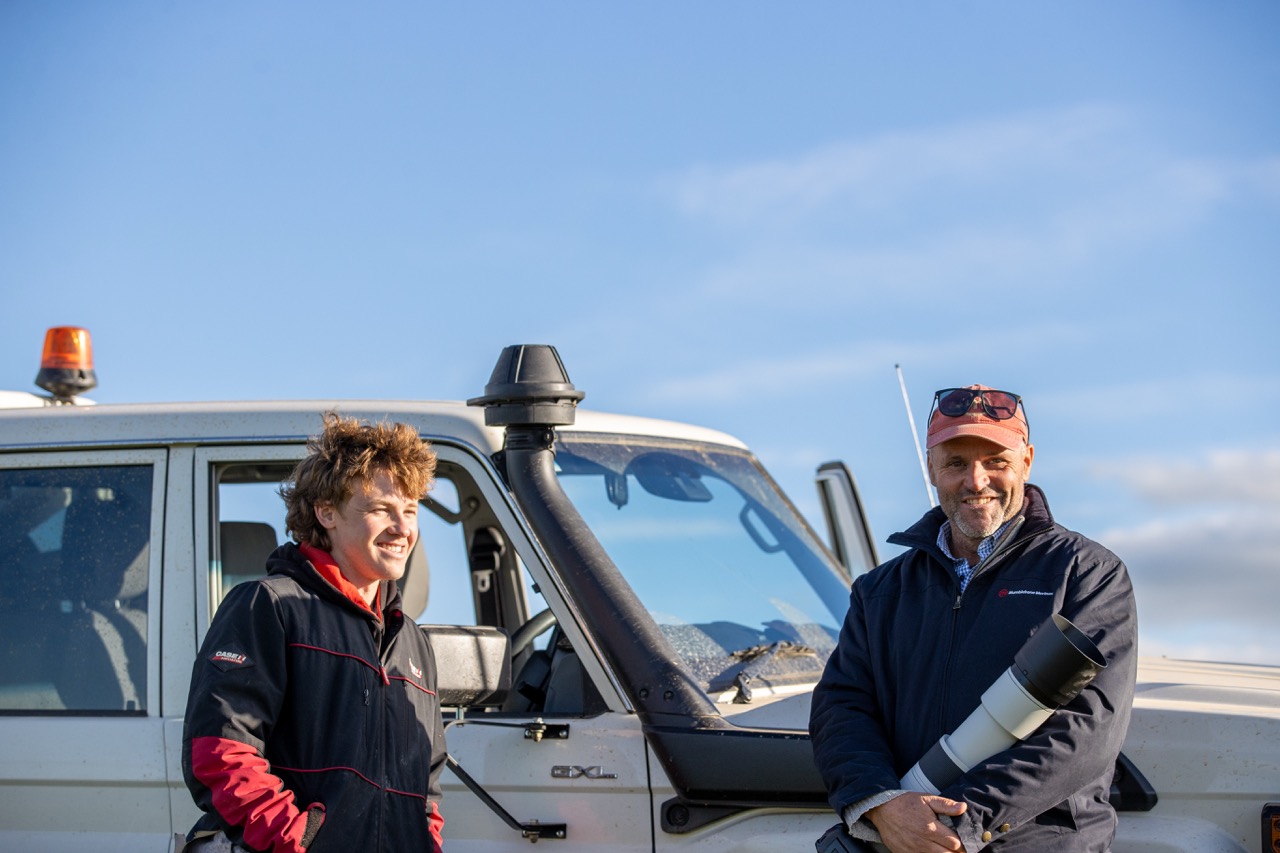
George Jacka was fifteen when he talked his mother and grandmother into driving him from South Australia to New South Wales to buy the family’s first Mumblebone rams. It was the year of the floods, and the rams took a while to make it home. Neville was on the phone from the farm, but the final call was George’s to make, and it set the direction for the whole business. A year later, convinced by what they were seeing, the Jackas sold their entire ram team and replaced it in one hit with around 30 Mumblebone rams.
The move started with non-mulesing. Neville could see where the industry was heading and knew the studs already living it were in New South Wales, running in country with more summer rain and far more fly pressure than the Jackas faced at home. Mumblebone had been non-mulesed since 2006, without body strike or structural trouble. If it worked there, it would work back home. They stopped mulesing with that very first Mumblebone drop and haven’t mulesed a lamb since.
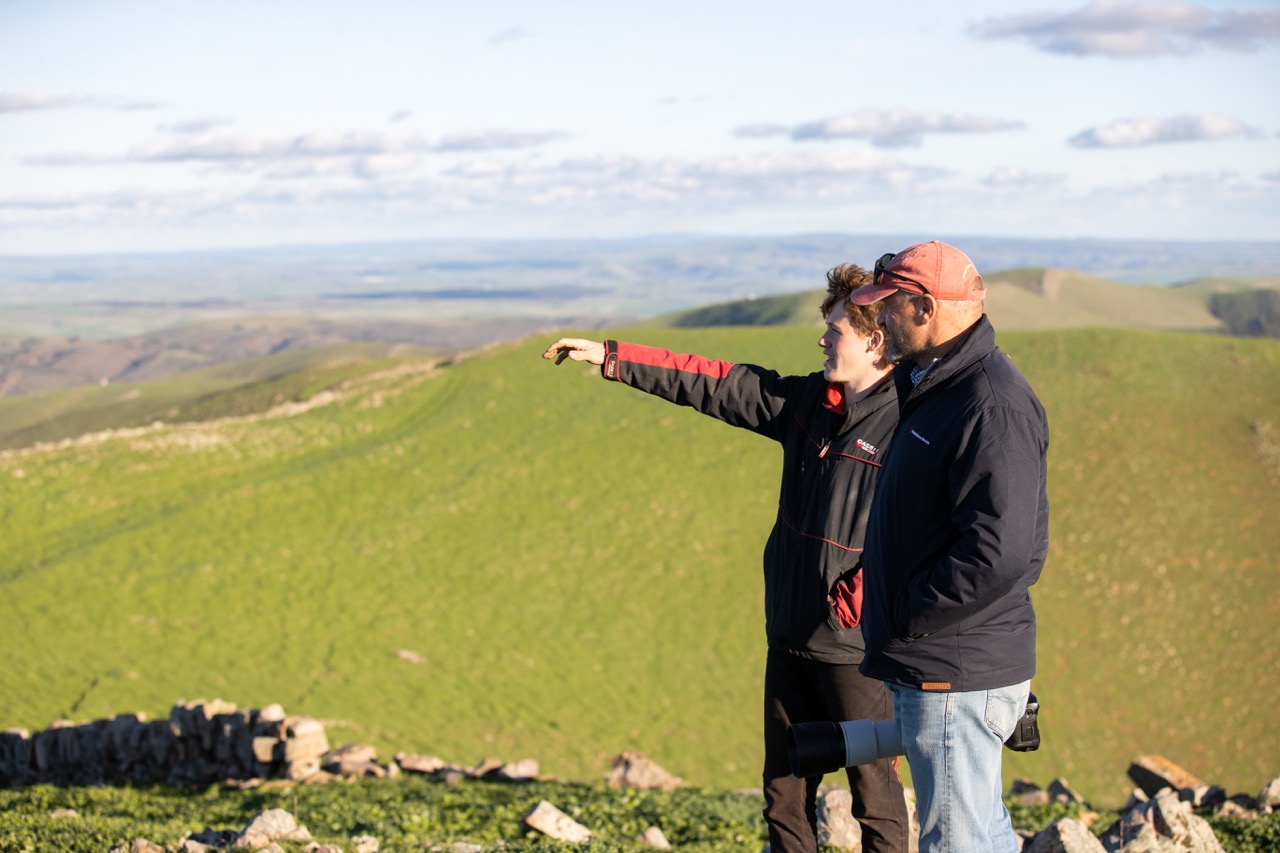
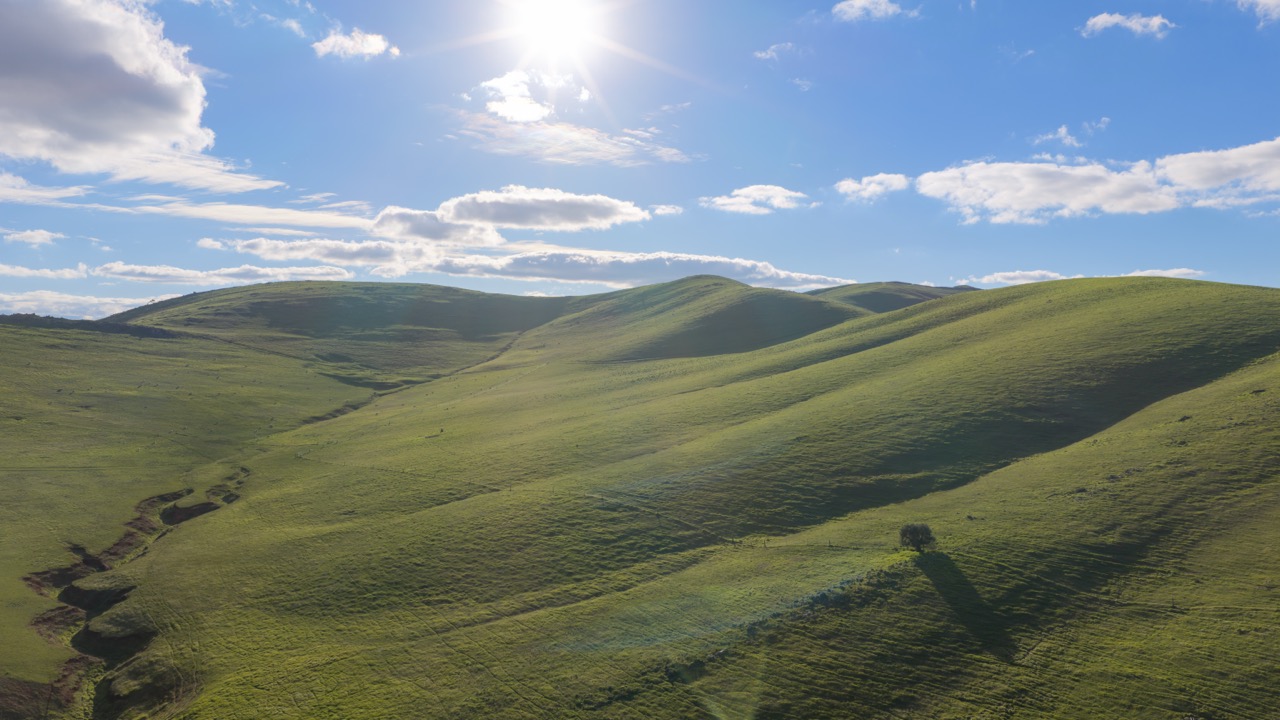
It’s a mixed operation built to carry numbers. Around 3,000 breeding ewes, with every ewe lamb joined, about 1,500 of them, putting close to 4,500 lambs on the ground a year. Alongside that sits 5,500 acres of cropping, a quarter of it vetch for grazing, and a feedlot turning off anywhere between 10,000 and 20,000 lambs depending on the season and the margin. The hill country runs to about 29 inches, the cropping ground 18 to 19, on clay soils and winter-dominant rainfall. Neville oversees the business, Max manages the cropping, and George and Joseph drive the sheep enterprise, both of them shearing away from home between the busy times.
What they select for is deliberately narrow: fat, muscle and post-weaning weight, with the wool brought along behind them. The frame is capped at 65 to 70 kilograms, a moderate Merino that lets them run more head per hectare and make more money per hectare, cutting more wool and weaning more lambs off the same country. Chad taught the family how to read ASBVs from the start, something George reckons few studs would bother doing, and it’s changed the way they buy. A catalogue now gets cut to 50 or 60 rams before they leave home, though they still walk every pen in case something catches the eye.
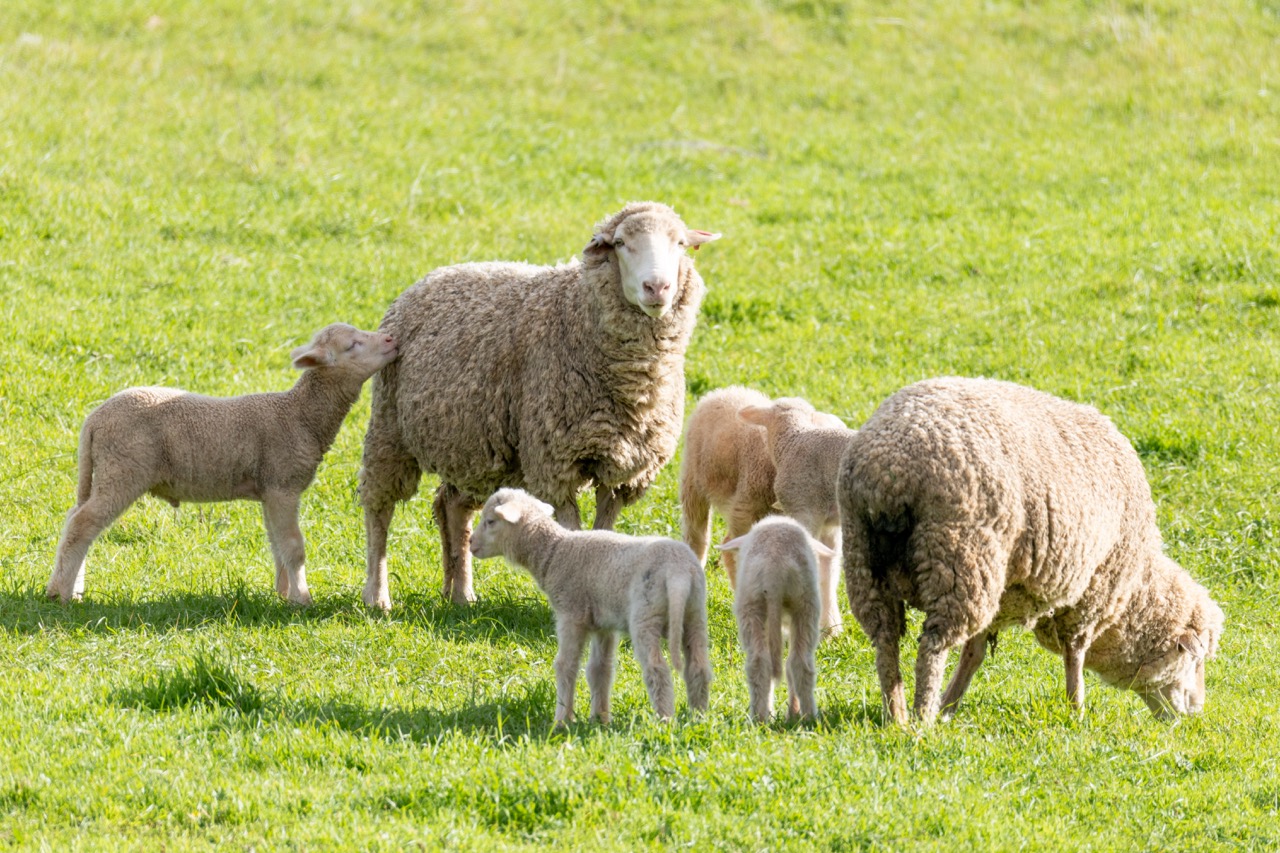
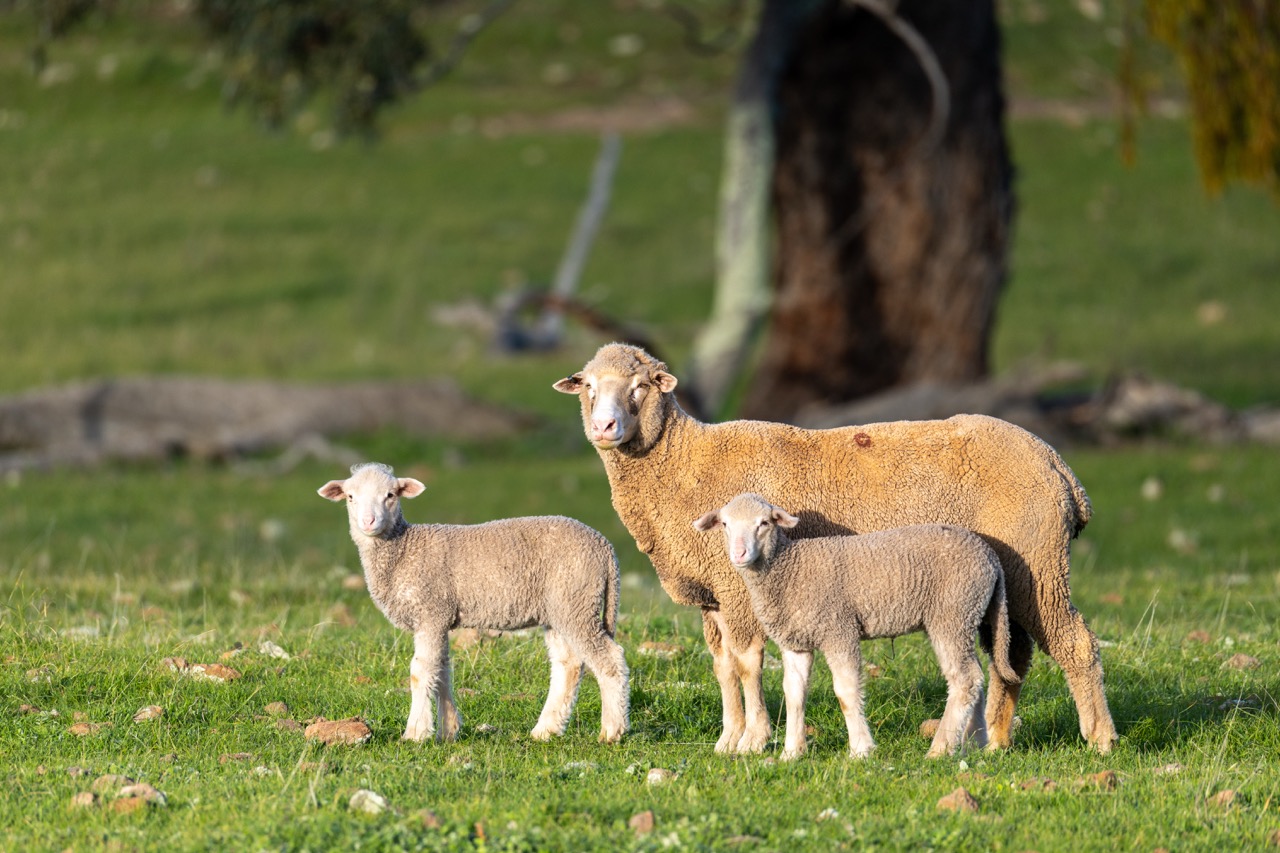
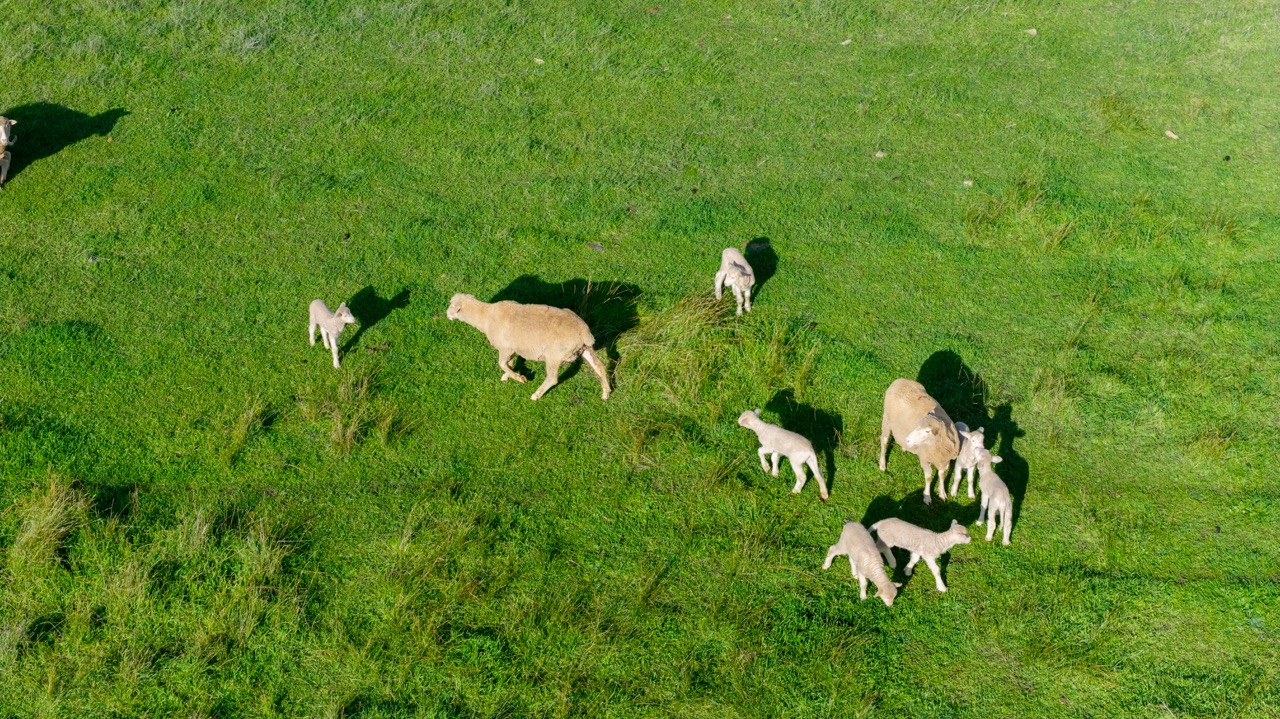
The proof has landed hardest in the ewe lambs. The first year the Jackas mated ewe lambs there were no Mumblebones on the ground and the mob averaged 10% conception. Once those ewe lambs were half-cross Mumblebone, they scanned 80%. This year they came in at 87% conception with 130% fetuses, and they’re still only half-bred, with the lambs out of ewe lambs pushing the change through faster again. Meanwhile the four and five year old ewes from the old bloodline, sitting right in their prime, are being out-scanned by their own daughters. Some of those older ewes are still throwing more singles than twins while the young Mumblebone-blood ewes go the other way.
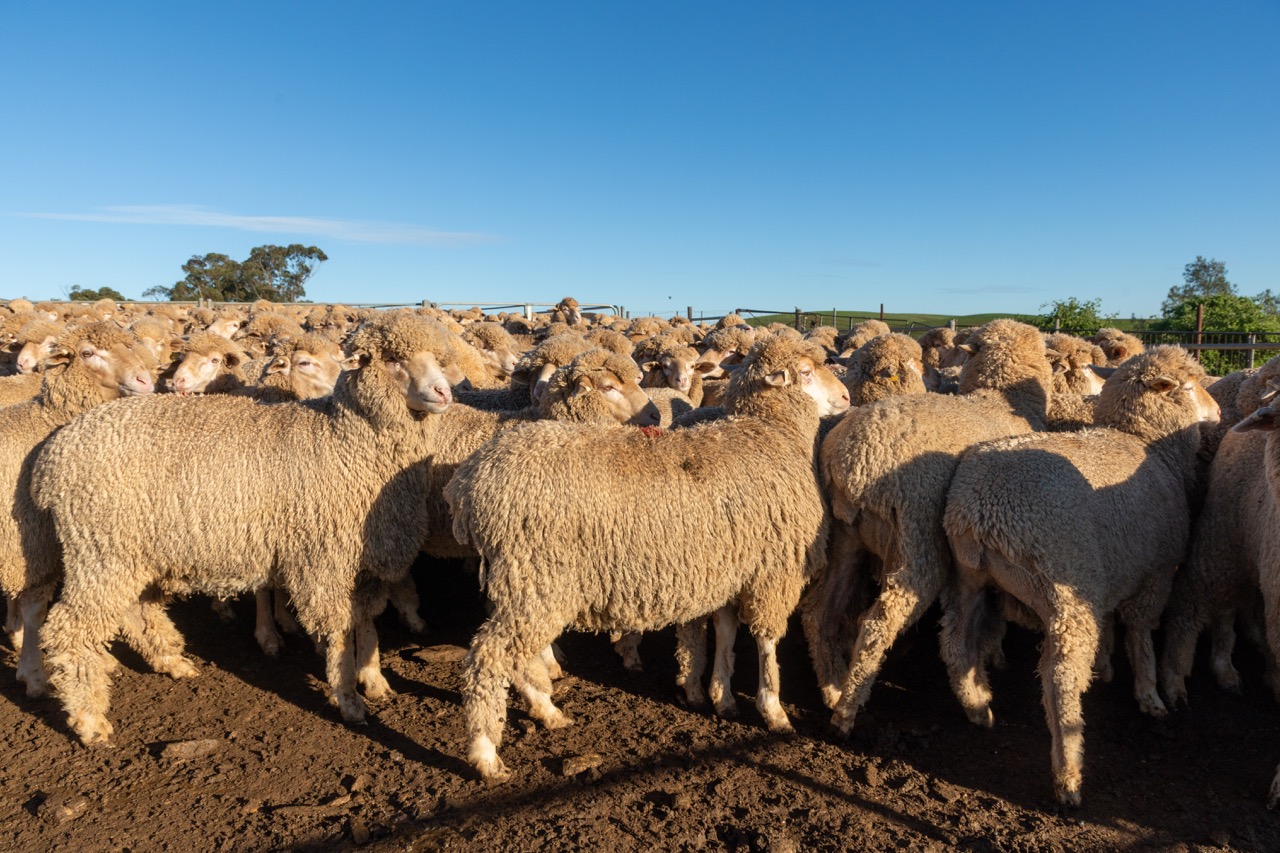
The feedlot gives the family something most producers don’t have: a direct comparison. Because they buy traditional-bloodline lambs in to trade, their own lambs run alongside them, and George says the Mumblebone-blood lambs are growing like crossbreds. The drop has averaged 400 to 450 grams a day on a barley, lupin and buffer pellet ration, with the top individual recorded at 800 grams a day, and still cutting around $30 worth of wool as a lamb. Through the drought they weaned at 45 days, imprinted early on the ewe and went straight onto feeders, because the ewe lamb joining was non-negotiable. Those lambs hit 65 kilograms at joining.
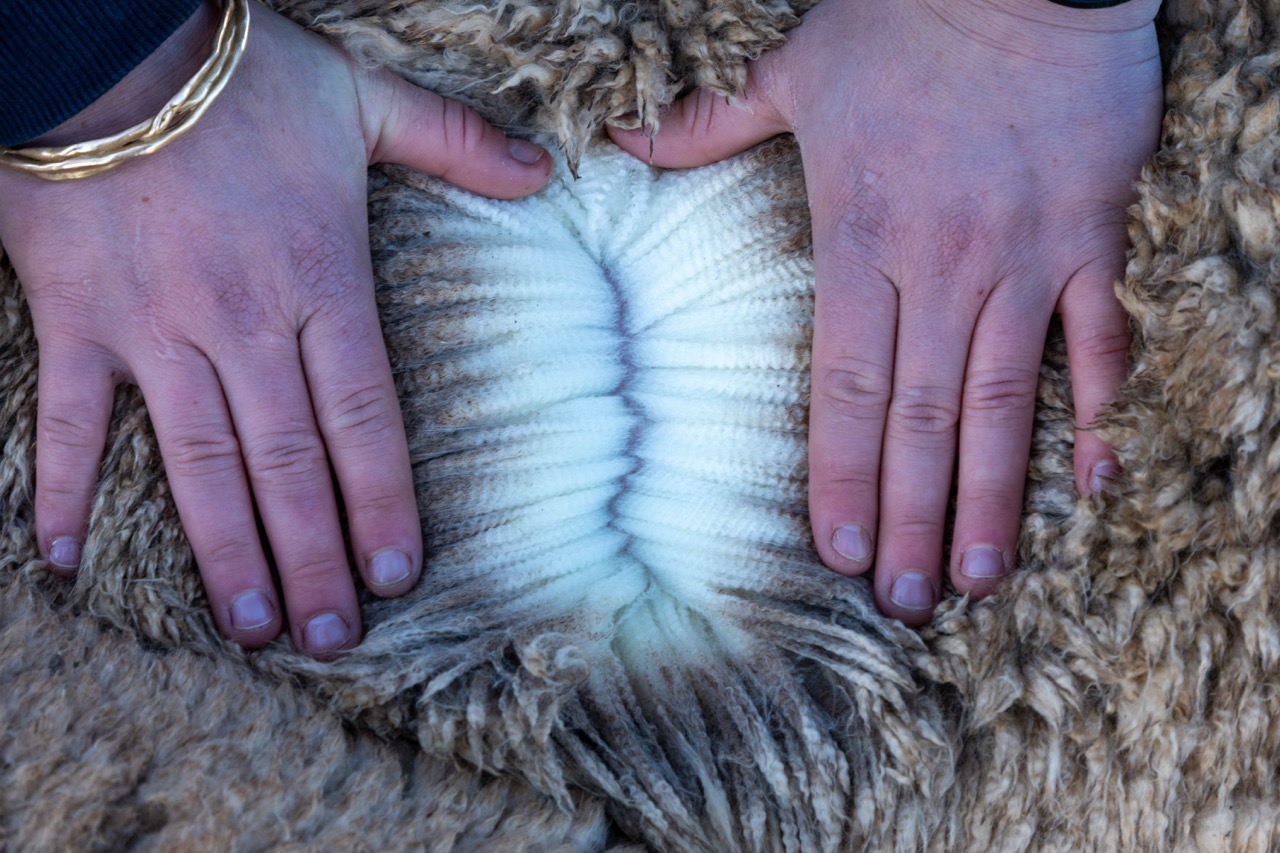
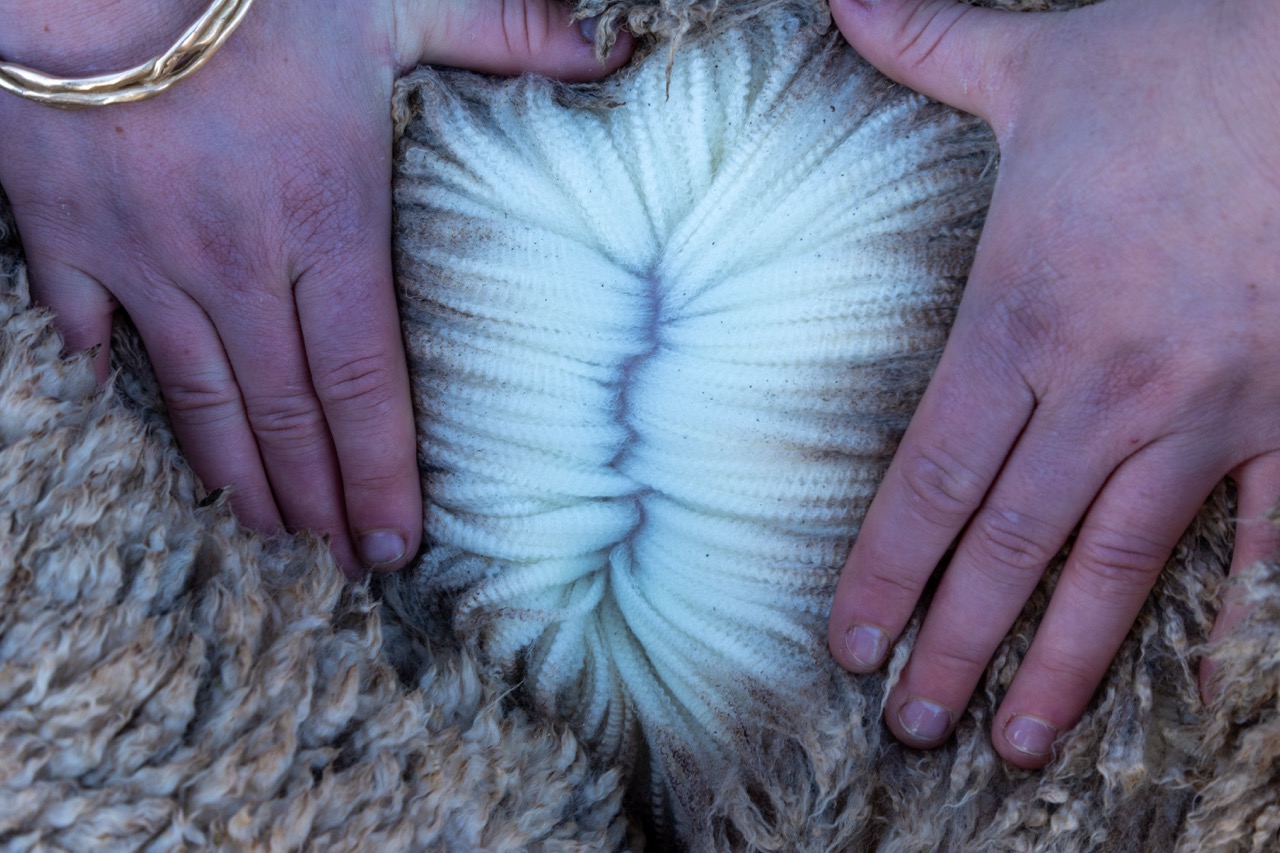
The wool has come with the rest. Four years ago, in an early break just like this one, the Jackas lost 30 to 40 ewes to body strike; most of them came up dry, and they sold poorly on the back of it. In a comparable season this year there wasn’t a single case, and not a stained ewe in the mob. Where the old bloodline blew out in micron as ewes aged, these hold fine and consistent through their lives, whiter and softer, and plain enough that two shearers in the family rate them among the better sheep going through a stand. Staple growth is good enough that six-monthly shearing is the next move, and at $70 to $80 of wool a head and pushing $100, it covers a fair few bills. Full non-mulesed accreditation is the plan within the next few years.
It was the drought that settled the argument. Through the worst season South Australia has seen in a very long time, the Jackas barely saw their lambing percentage move. The older, traditional ewes dropped away; the Mumblebone ewes held condition on the strength of that extra fat, bounced back out of containment far quicker, and went out to lamb noticeably fatter. Where the old bloodline came in light and threw small lambs, the Mumblebone lambs still looked fresh and solid and the percentages held. Between that and what he’s watching in the feedlot, Neville is blunt about where his interest sits now: the sheep have got more interesting than the cropping. George is more bullish again. A Merino doing what a crossbred does, with a wool cheque on top, is a sheep he’d back against any shedding breed going. And every scanning, he says, you can see exactly how much you’ve improved.