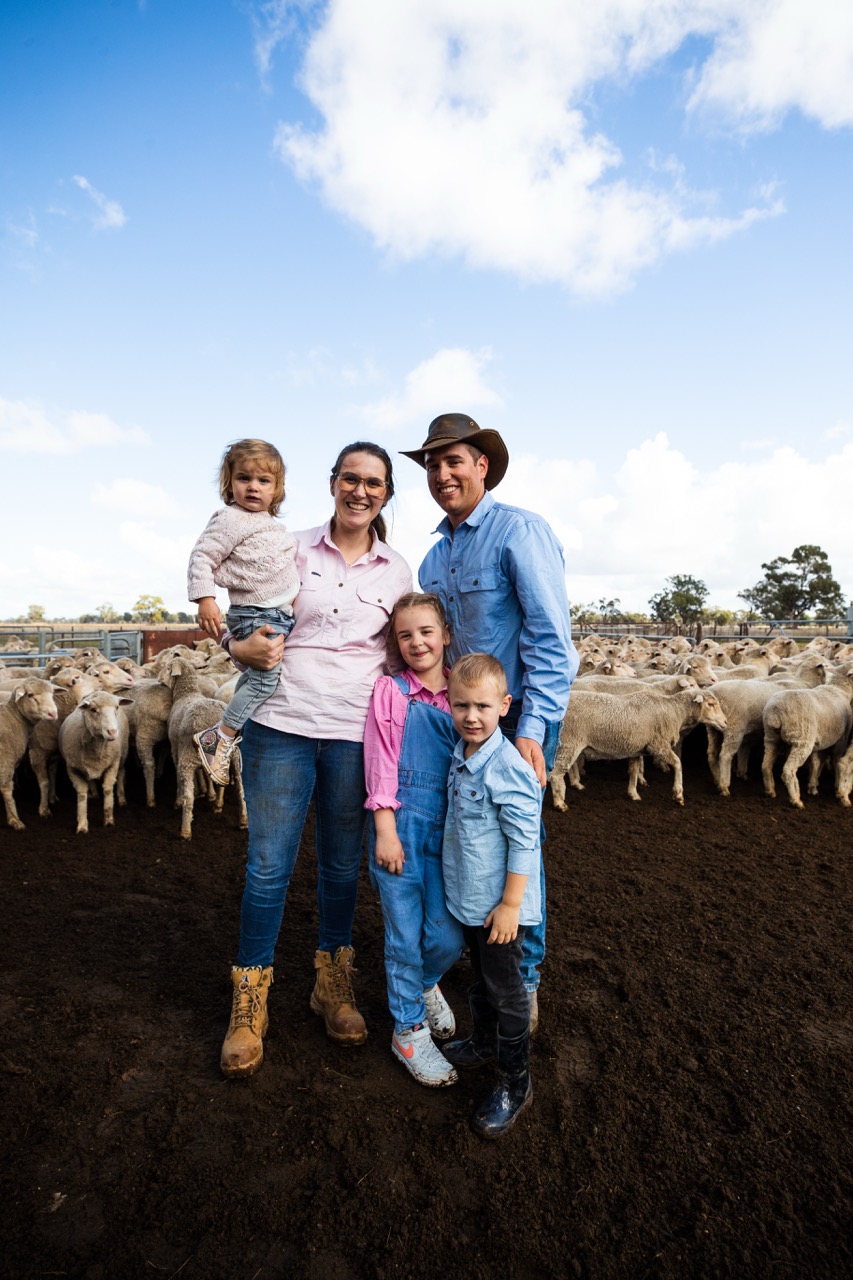
Gibbs Family
Caniambo VIC
“It was a big number but a no-brainer the extra lambs on the ground would pay for the new ram team in one season.”
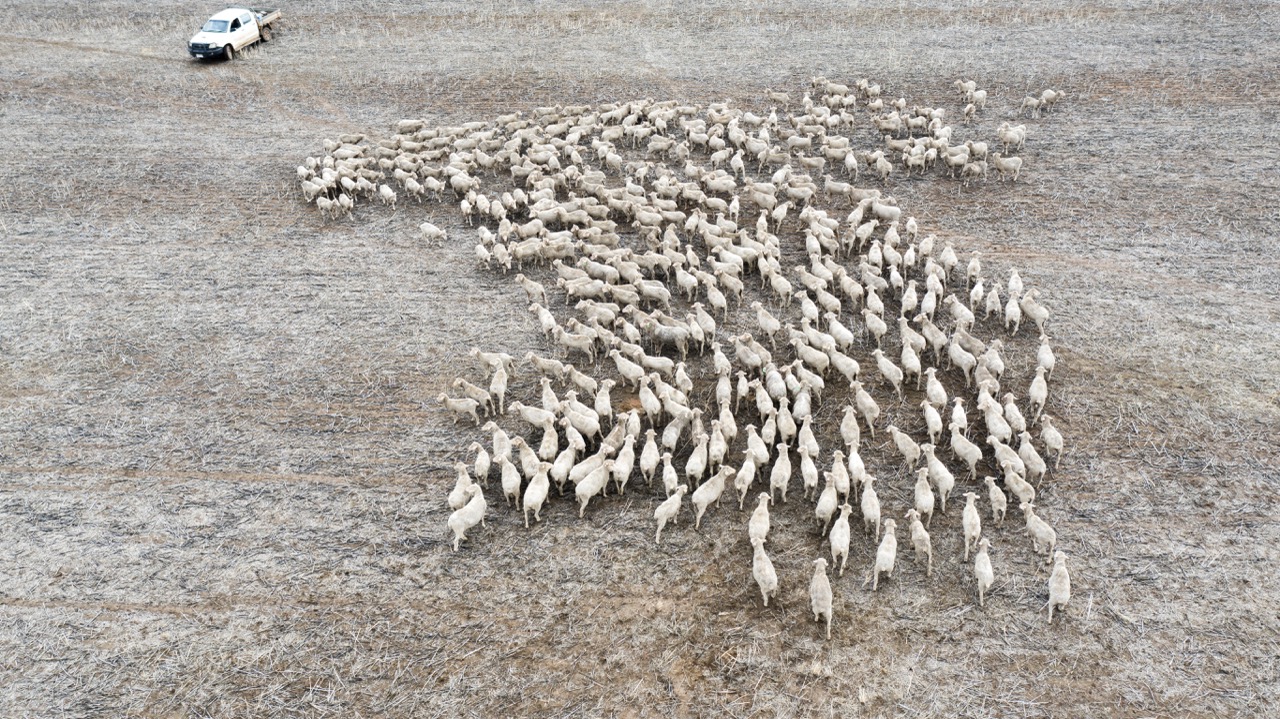
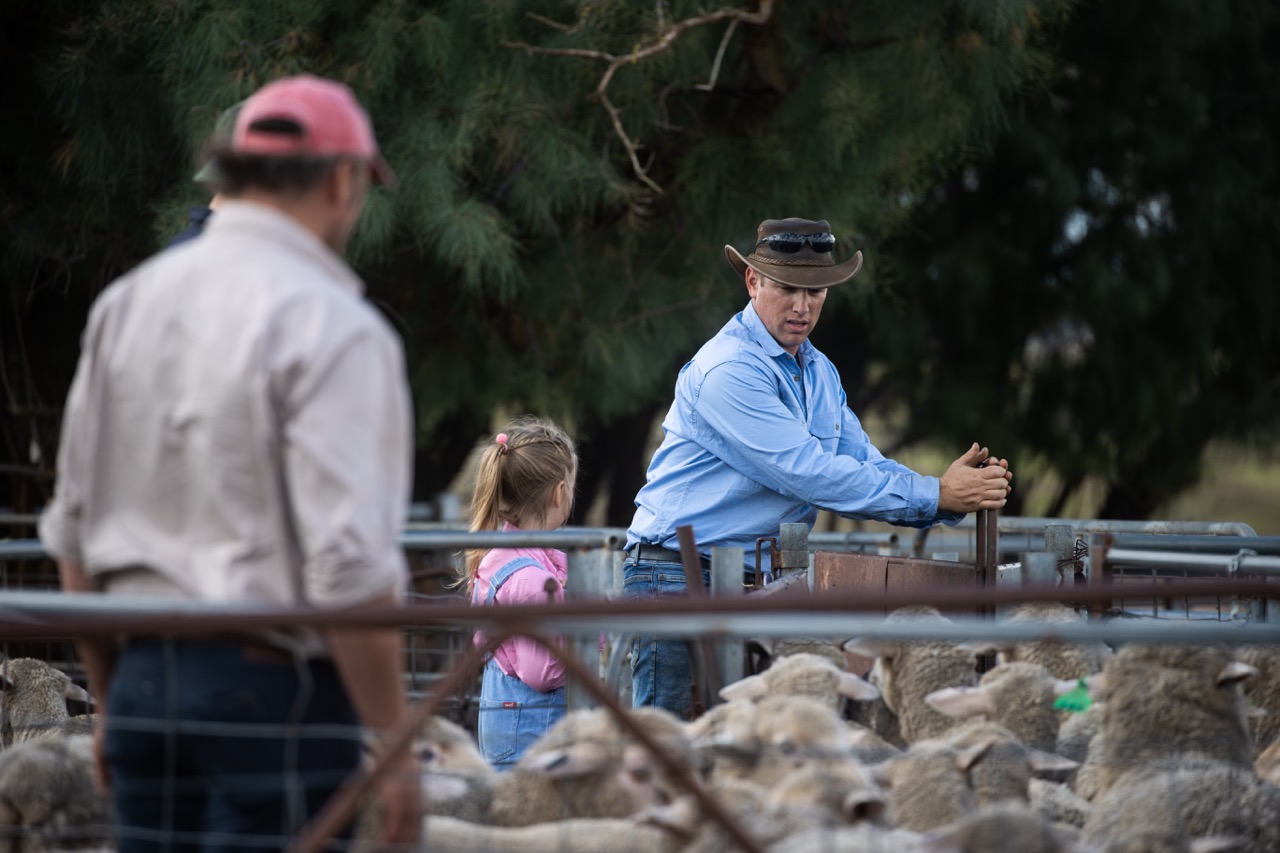
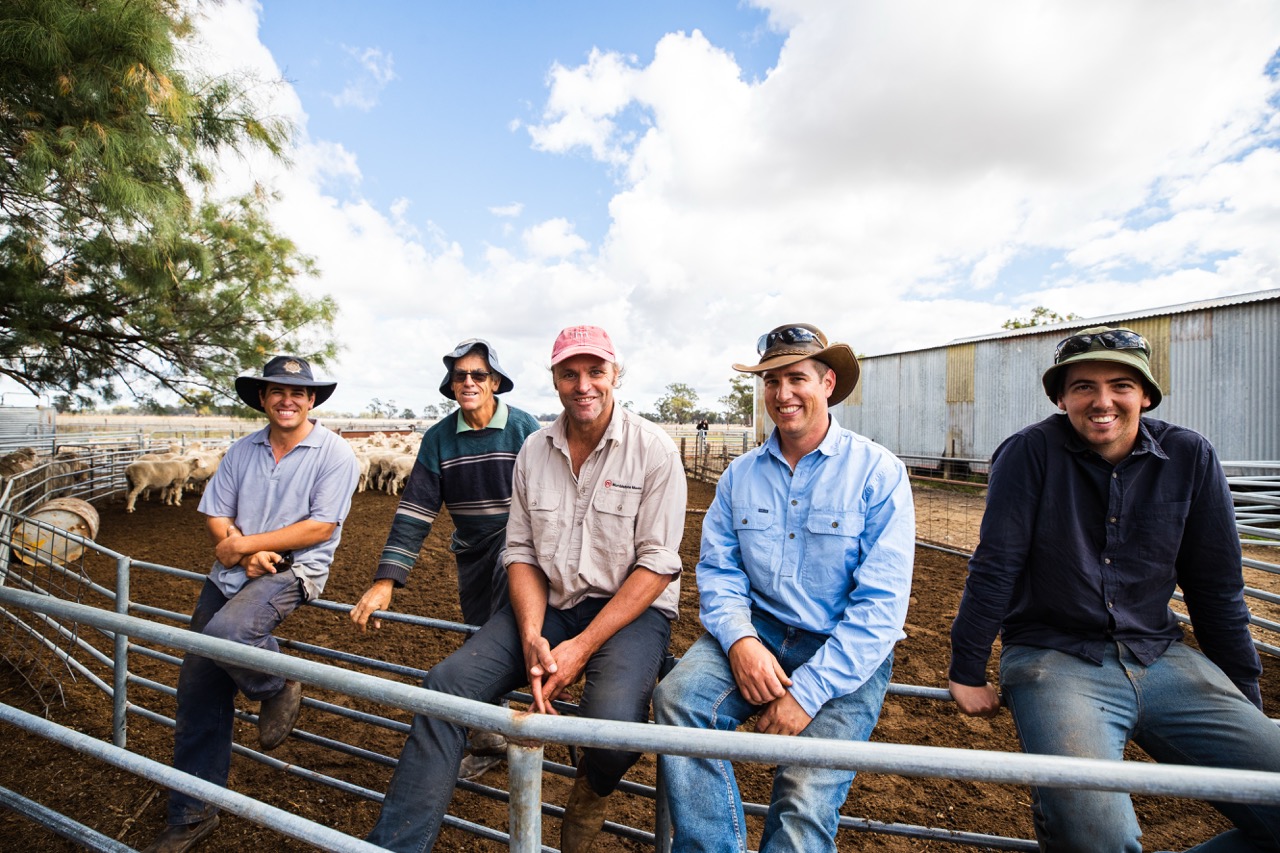
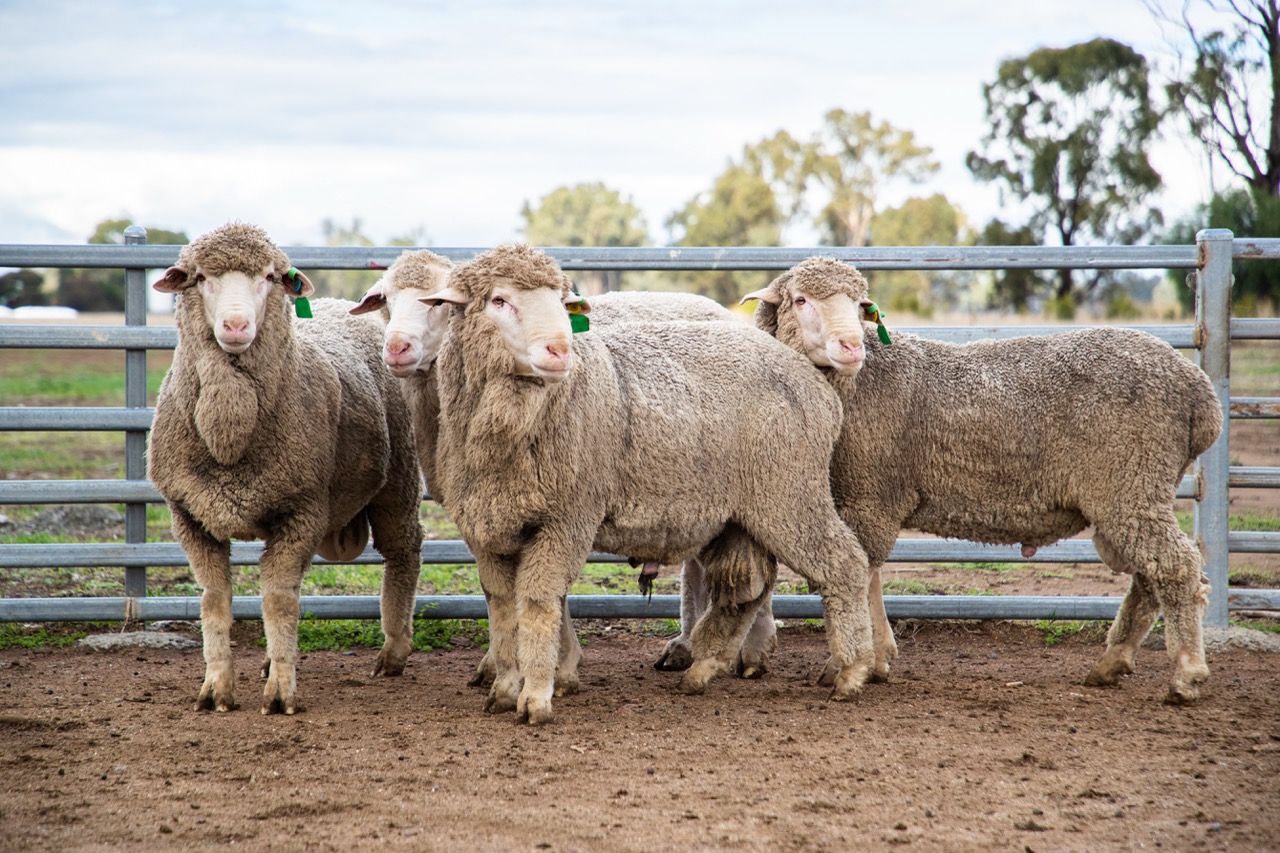
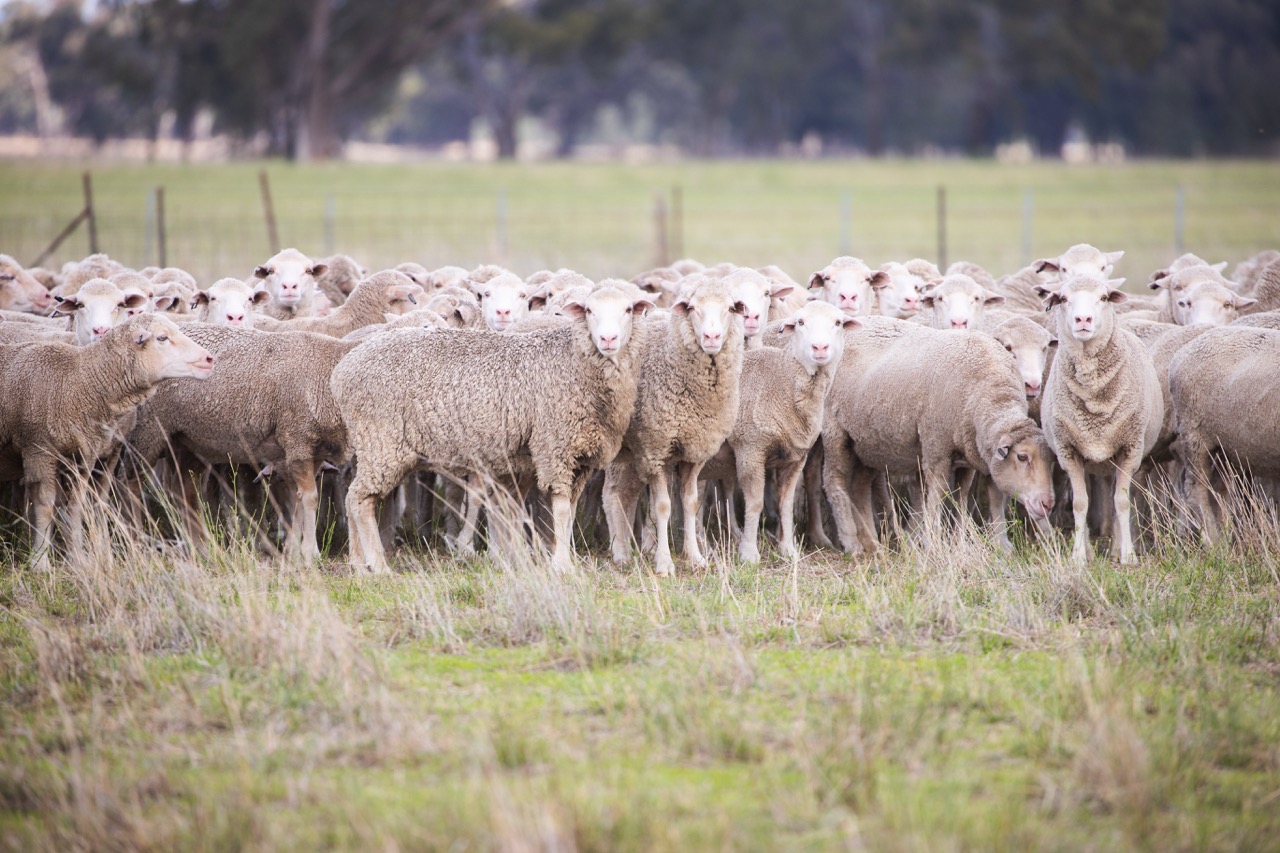
The Gibbs family run a mixed sheep and cropping operation spanning around 3,000 hectares, with two generations including Mr Gibbs’ father and uncle working the business. Cropping is the mainstay, but the sheep enterprise had long been run along traditional, wool-driven lines. And for years, one problem refused to budge.
“We’d always been chasing lambing percentages,” he says. “We were doing everything we could think of lick programs, small mobs to lamb, all the usual things people do. And we just weren’t getting the results.”
Two seasons ago, the family decided to try something different. When they went looking for a stud, Mumblebone rose to the top. “They had the numbers, and they had the animals.”
They started cautiously, travelling to see Chad and coming home with a team of nine rams. “We stretched them, but they worked and the results were remarkable.” Remarkable enough that the following year they returned and bought a full ram team to service every ewe on the place, along with a mob of Mumblebone ewes. “It was a big number, but a no-brainer. It was all adding up to the one conclusion the extra lambs on the ground would pay for the new ram team very quickly. One season, I think it was.”
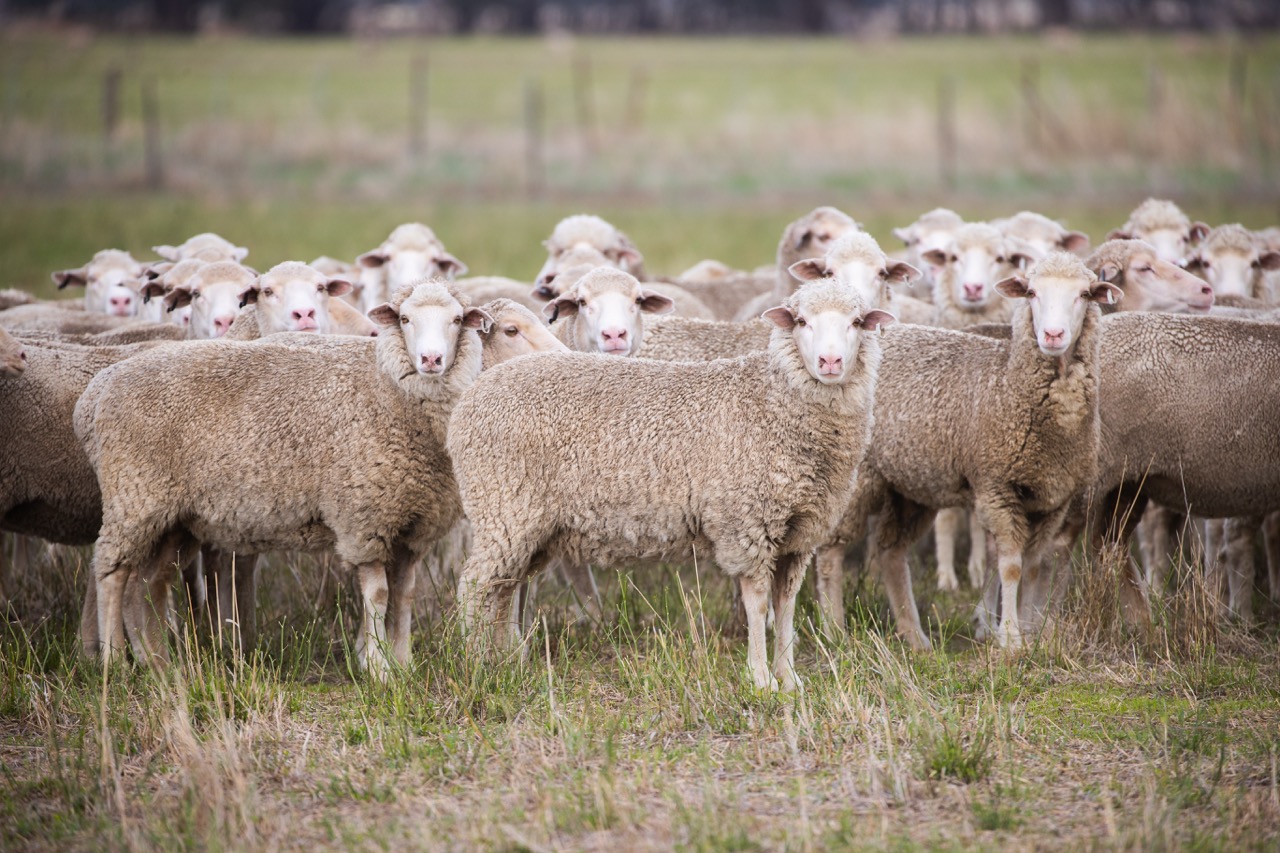
The numbers backed him up. This year, the traditional joining landed 91 per cent slightly back on their usual 100. In the same season, under the same conditions, the pure Mumblebone lambs landed 135 per cent. “That’s the best part of 40 per cent difference in the one season.”
The trial group told a similar story on growth. With a ram team averaging a post-weaning weight ASBV of eight to nine, the Mumblebone lambs had grown an extra kilo a month by seven months of age, and the cross-bred lambs were putting on average daily gains 25 per cent higher than the old bloodline.
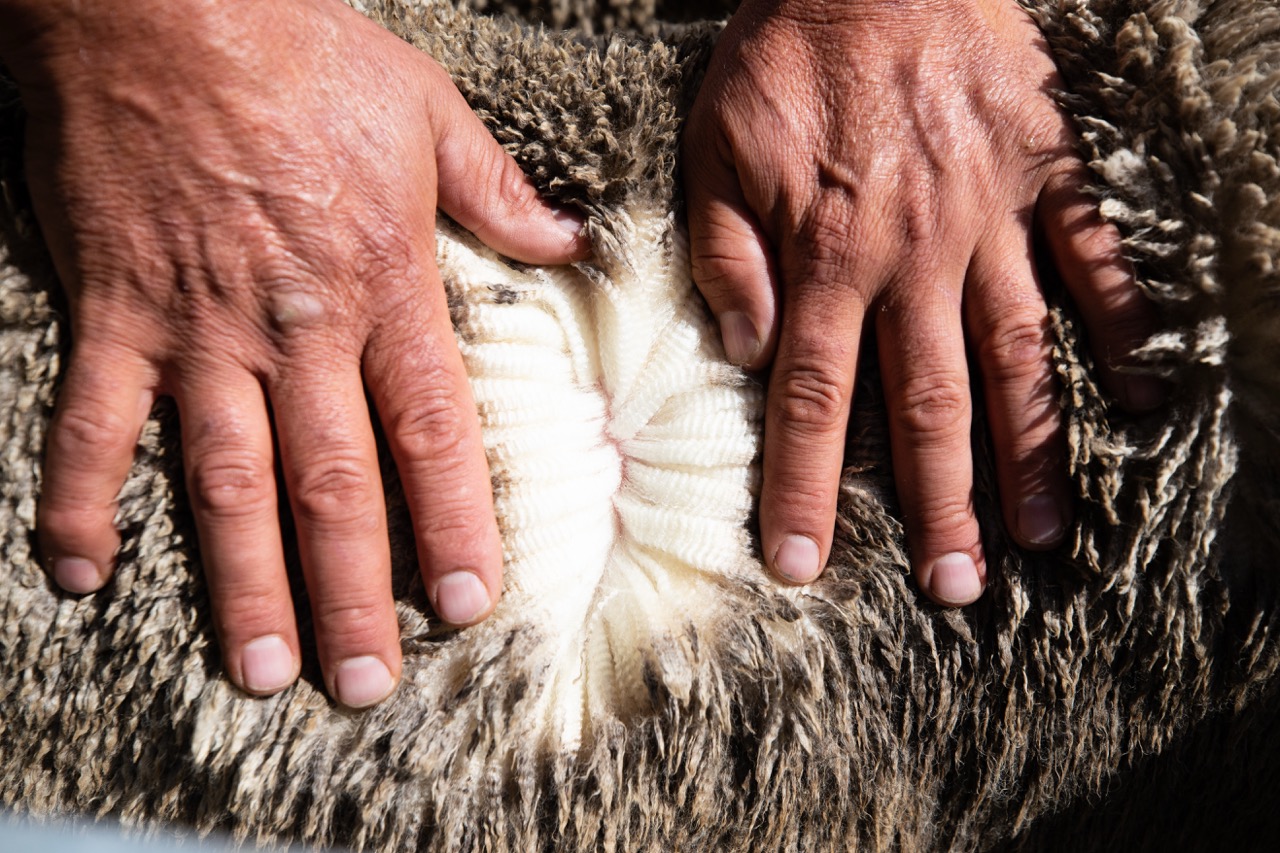
Wool cut between the two bloodlines? “Very little difference but that comes with added health bonuses, because they’re not carrying twelve months of wool on their back all year long.”
Then there were the bonuses the family hadn’t gone looking for. Since purchasing the Mumblebone ewes, losses have run at around one per cent. The older bloodline lost roughly eight per cent over lambing alone. “That’s a big cost that’s never seen. We didn’t like seeing ewes die, but we didn’t know any different.”
“We were chasing lamb survival that’s why we headed down this path. To see all these other bonuses: a non-mulesed animal with less fly risk, better doability, added carrying capacity. They’re plainer, they’re healthier, they’re growing quicker. They’re just an easier animal to look after.”
The wool market noticed too. The Mumblebone lambs were shorn at six and a half months and measured 67mm squarely in the combing market. “The buyers were jumping over the table trying to secure that wool. It’s a more sought-after product. It’s what the consumer is now demanding.”
Perhaps the biggest shift has been in thinking. “Two years ago I would have argued until I was blue in the face that you need to mules sheep, because that’s the sheep I knew. Mulesing’s got to go. It’s where the money is, it’s where the market is going. We’re getting a non-mulesed premium we’ve got to go with it if we want to maintain our place as an industry.”
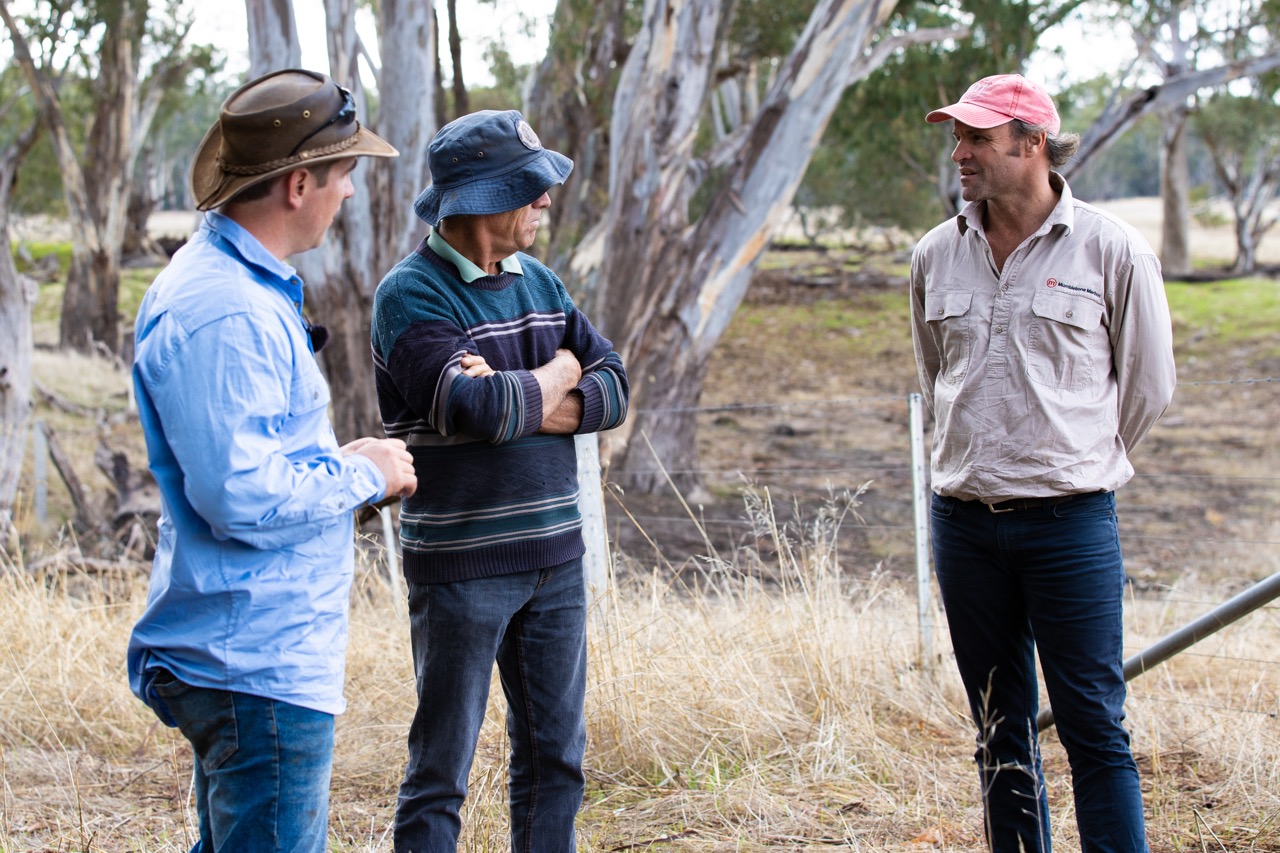
He credits Chad and Ferg with putting the family on the path. “Chad’s always there to answer the phone, talking through case studies and trials and the results coming out of them. It’s just a joy to work with people who are as passionate about sheep as we are.”