John Nicholas
Kara Station
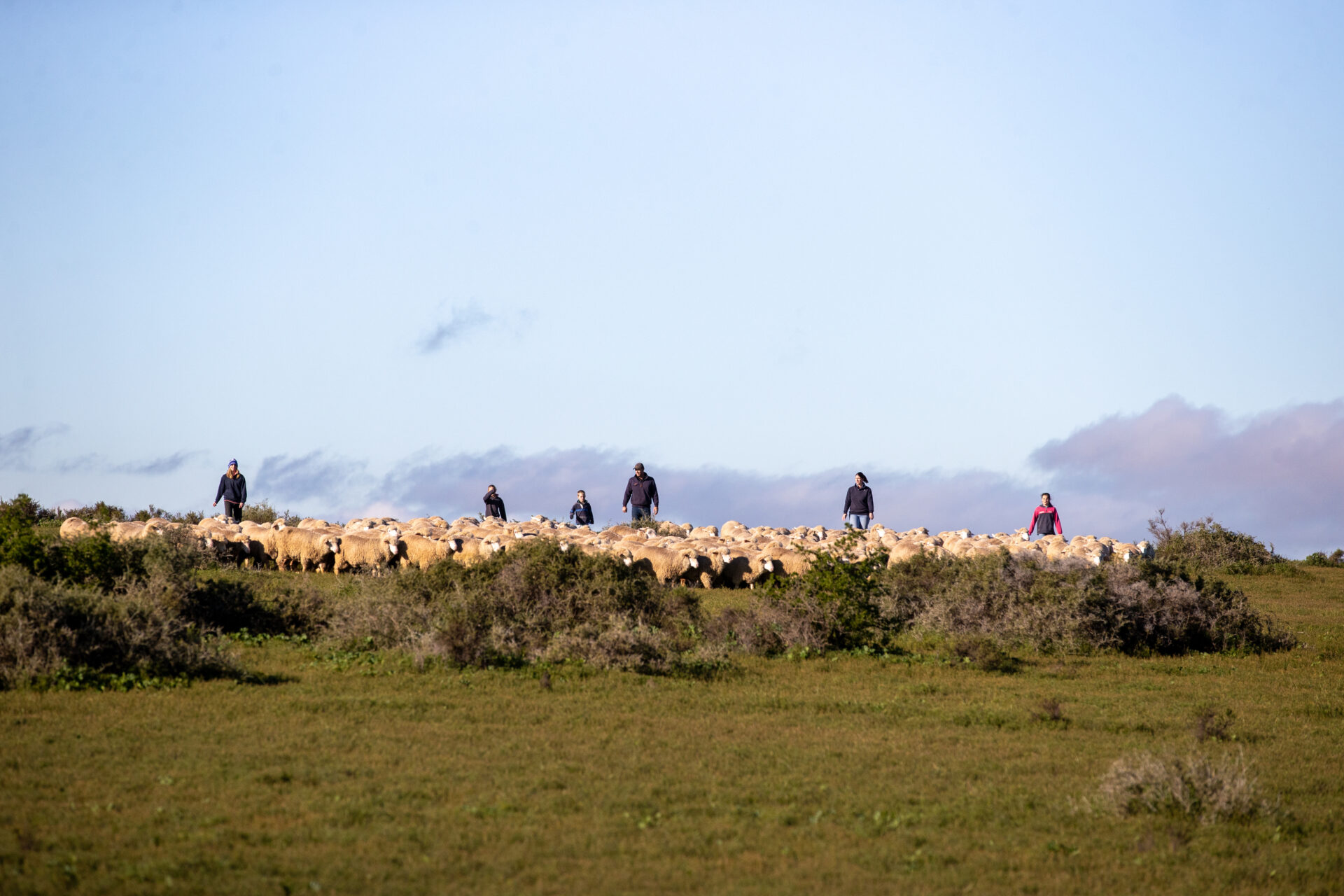
“It was a big decision to come back to Merinos but it's truly been justified.”
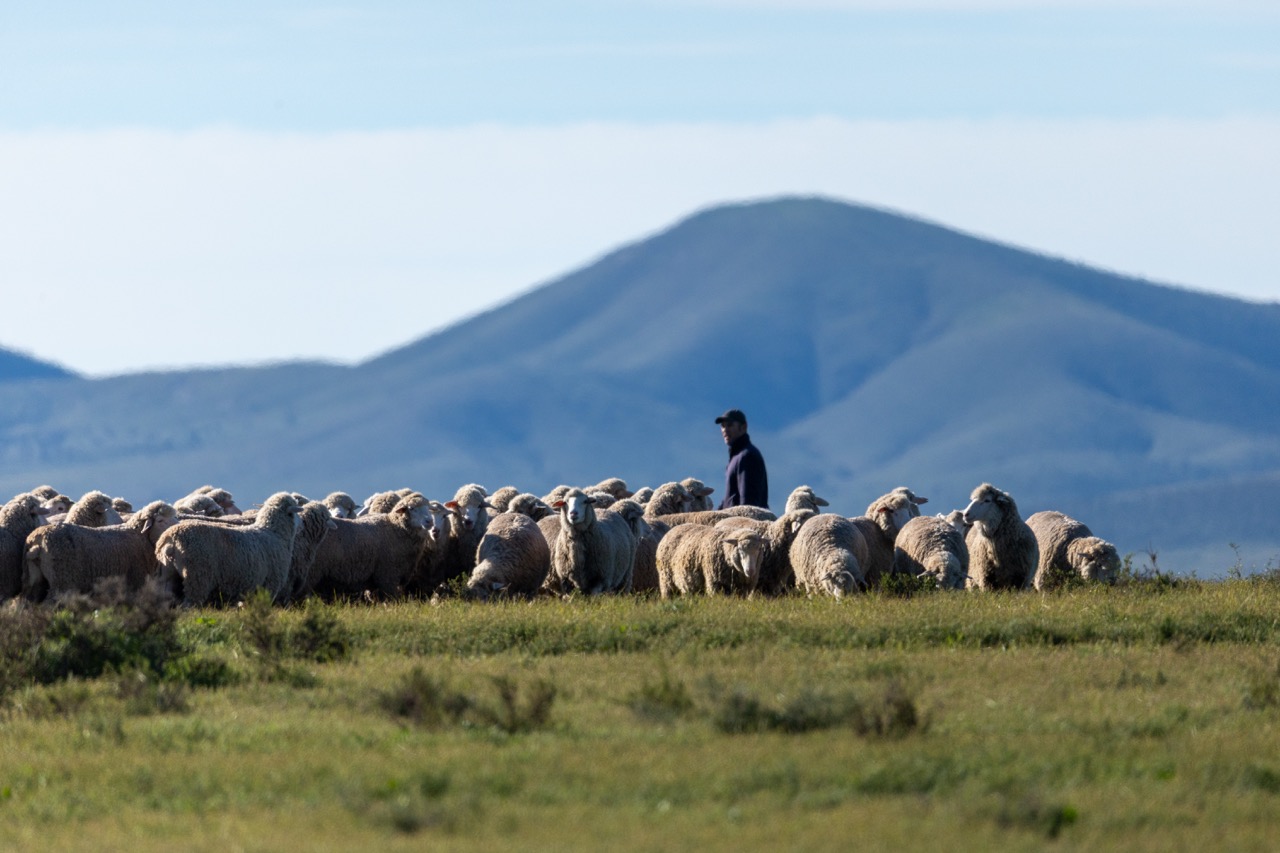
When John Nicholas and Ella came home to take over the family business through the 2017–19 drought, they made a decision that ran squarely against the industry trend. While producers around them poured into shedding breeds, they went the other way — selling out of their Dorper enterprise and returning Kara Station to a Merino operation. The move streamlined the business with their Merino country in western New South Wales, and solved a practical problem too: the Dorpers were hard to handle and the infrastructure simply wasn’t built for them.
The path back ran through data. Having experimented with ASBVs during the Dorper years, John came across Chad Taylor and was struck by the sheer volume of performance data being collected at Mumblebone. If they were going to rebuild a Merino flock, that was the stud to align with. A breeding objective was set early, and two flock profiles have since given the operation a clear foundation showing exactly where the flock sat and where it needed to go.
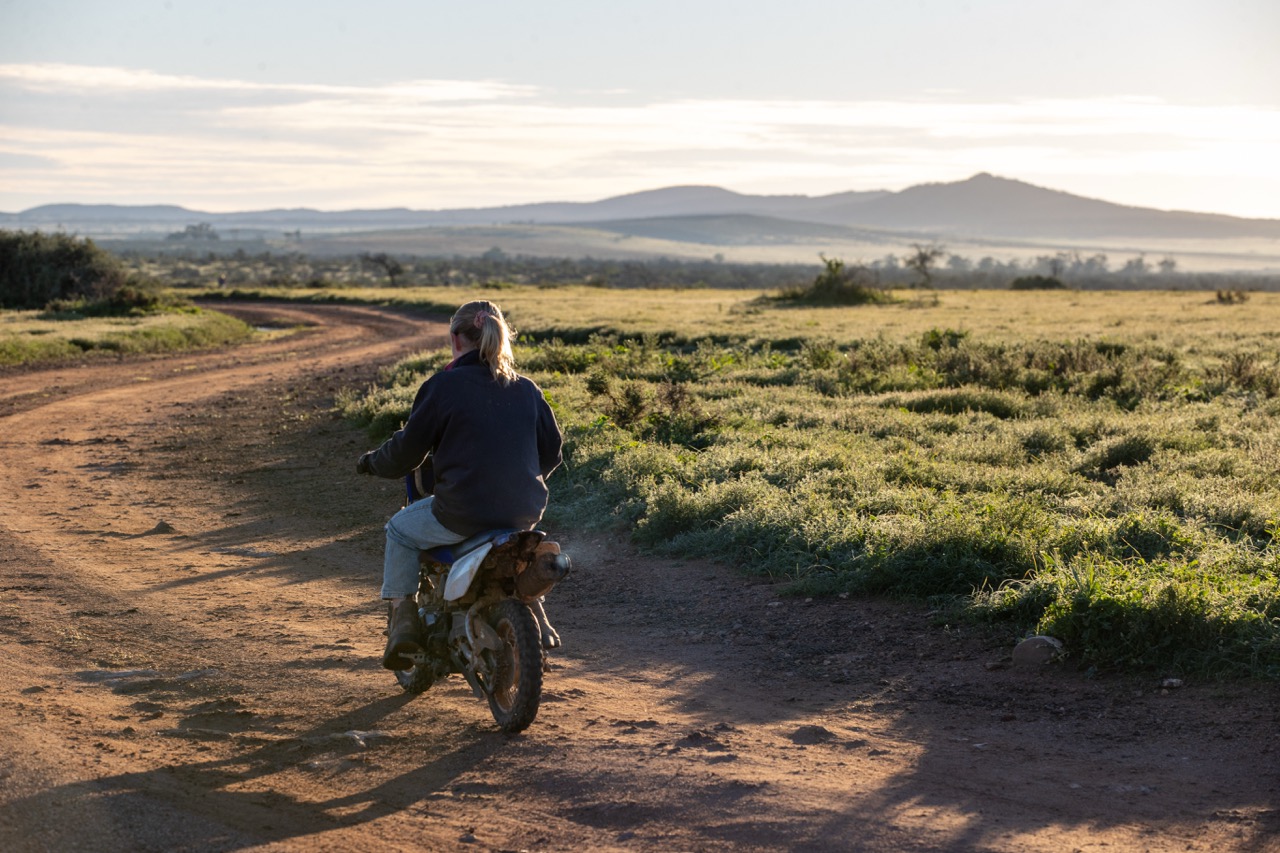
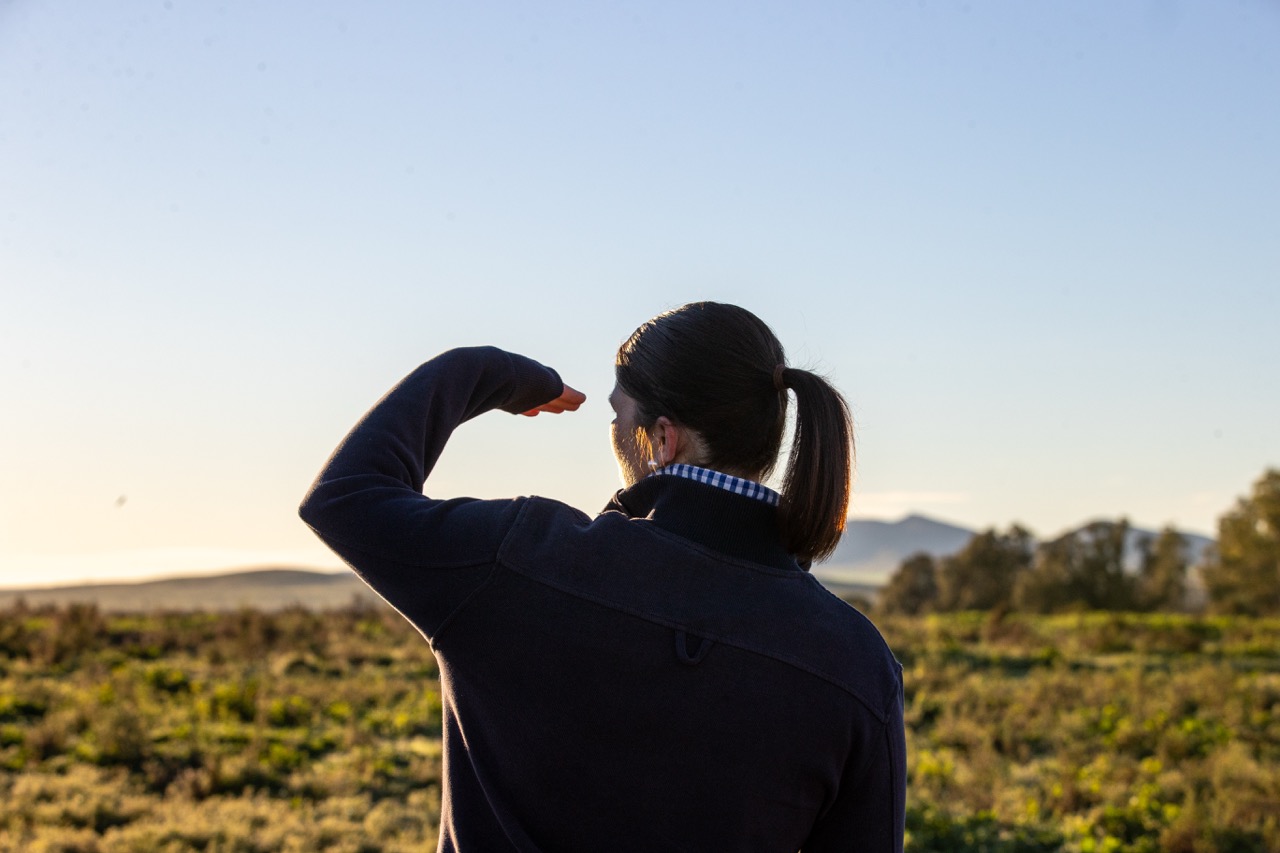
It’s honest country for the task. Farming above Goyder’s Line across around 18,500 acres of marginal, sporadic-rainfall country at Carrieton plus pastoral country in western New South Wales livestock is the main game, with a little cropping on the side.
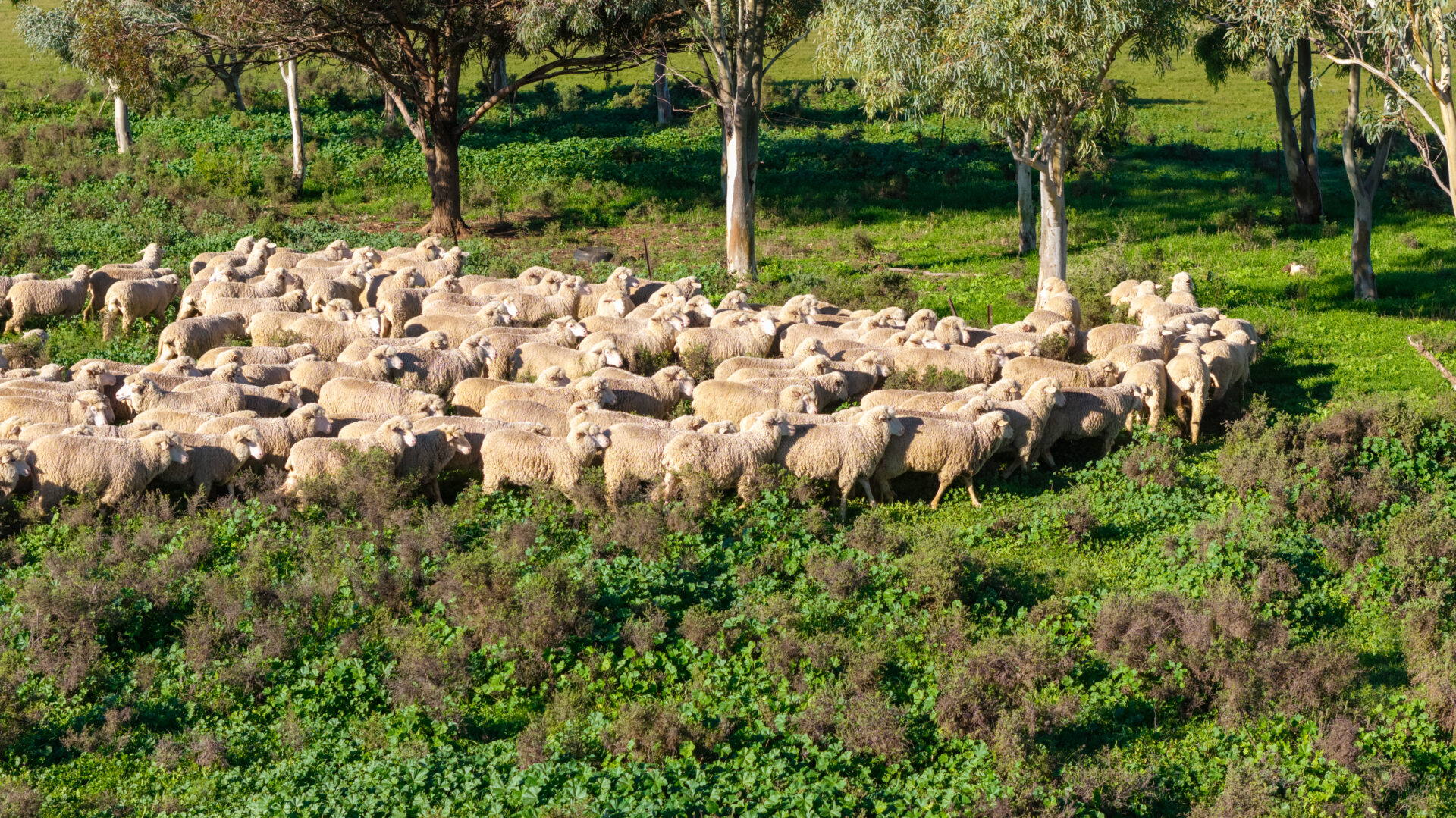
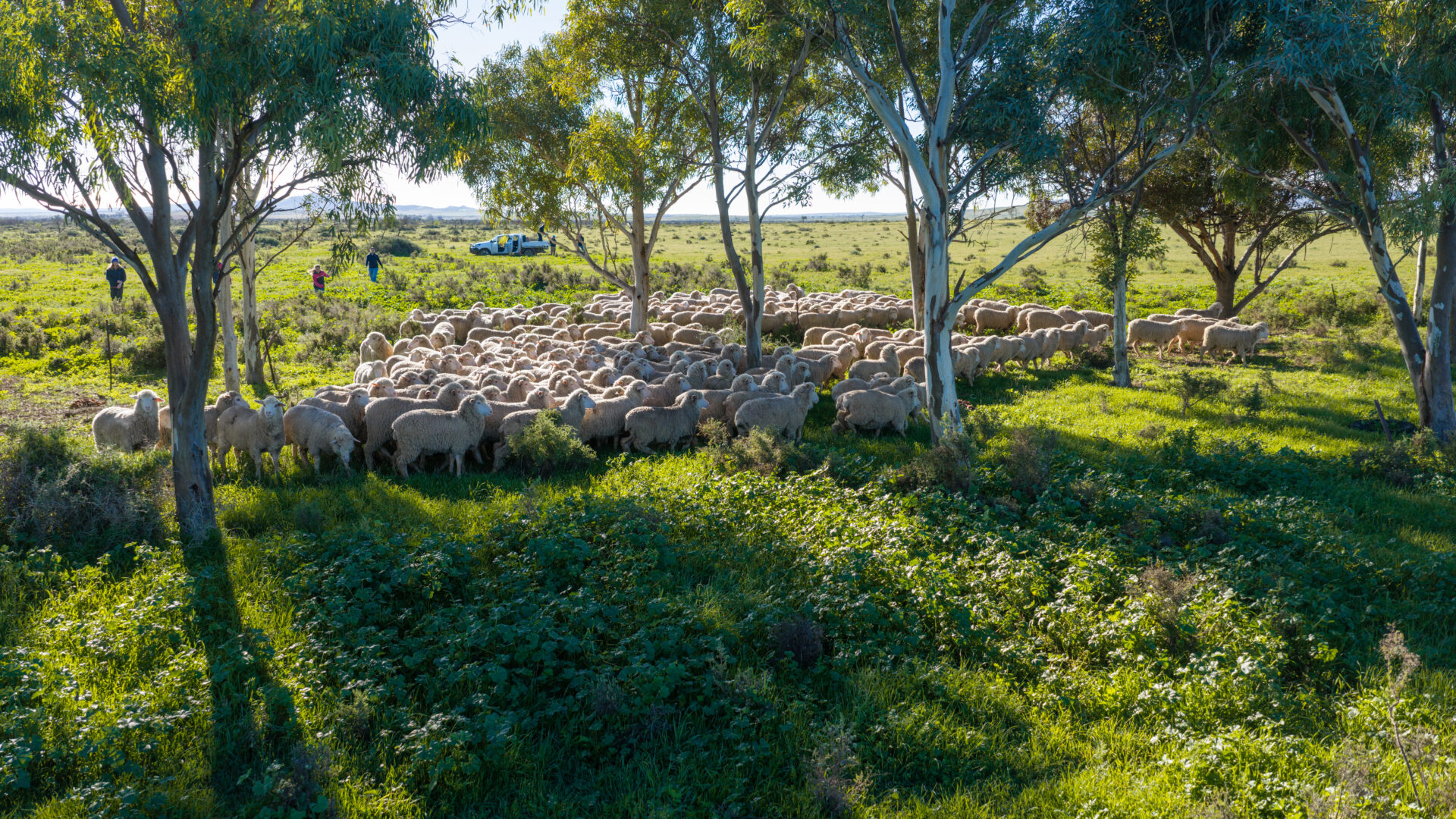
The justification John was looking for came fast. Chad put together a ram team after the 2020 sale season for their first joining in 2021, and that first season the mature ewes scanned 164%. The flock now consistently averages over 150% in mature ewes, Merino to Merino, working incrementally towards a 130% weaning goal with two-thirds of the ewes rolling into the scanning crate as twins, and backing it up twin on twin on twin. Weaning hard at 12 weeks gives the ewes recovery time, and condition scoring through Lifetime Ewe Management has become the single biggest management tool in the operation.
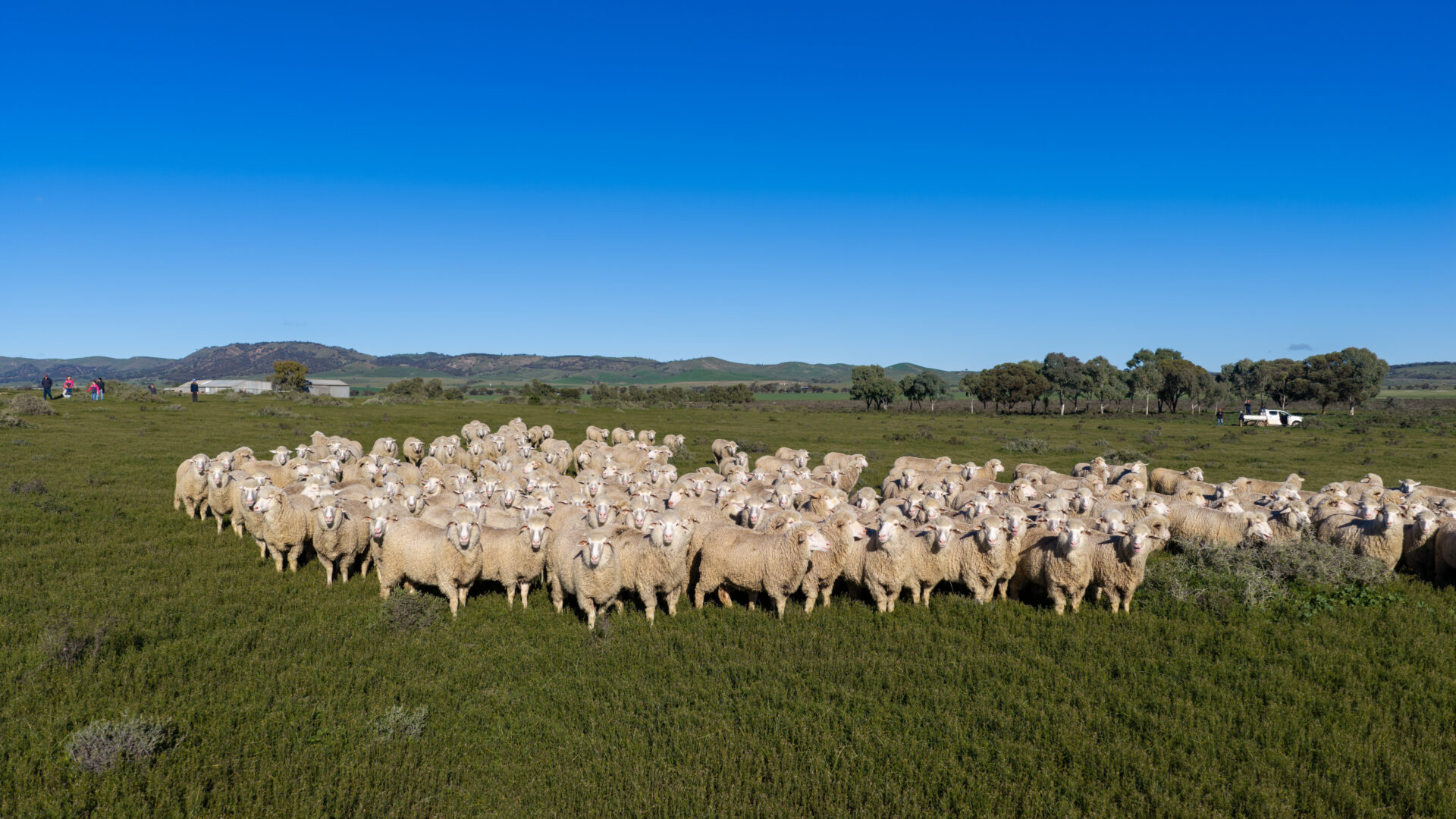
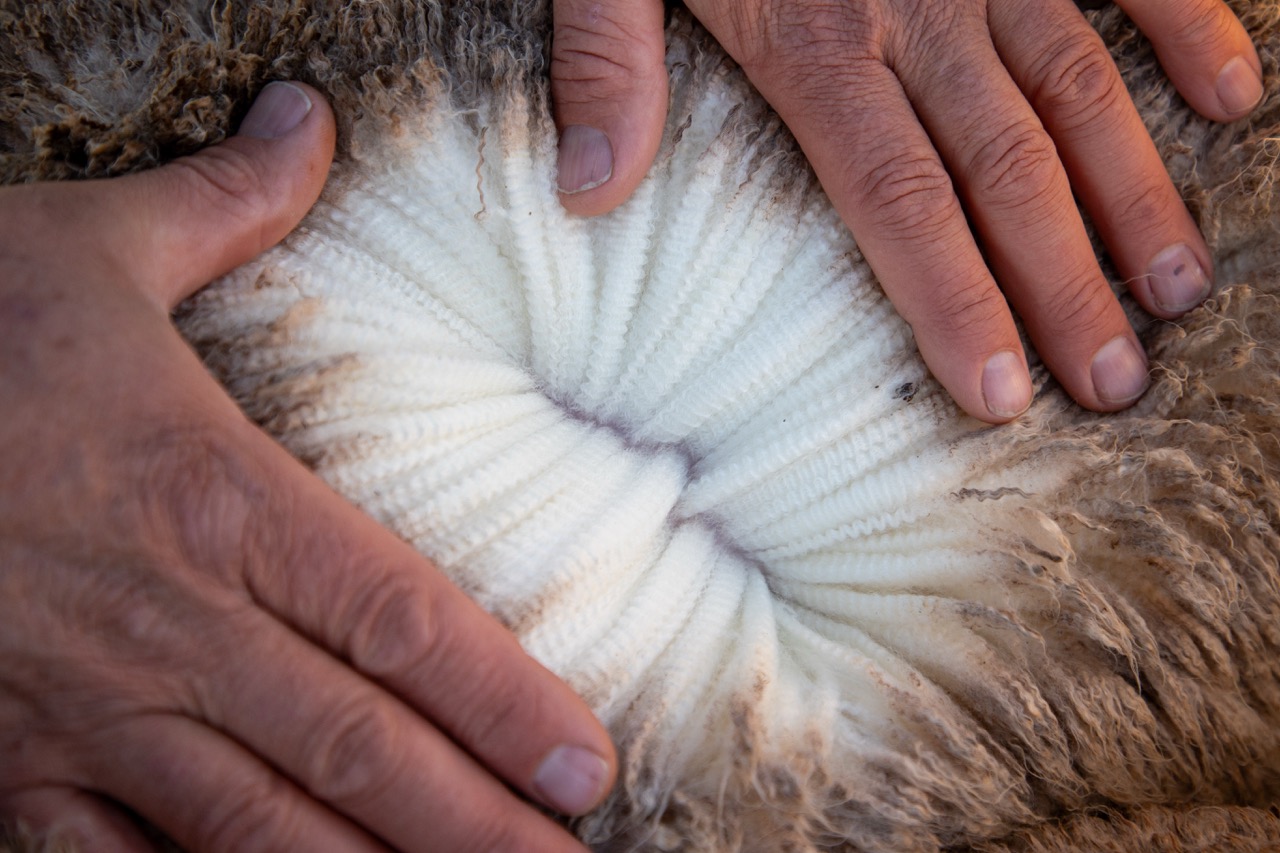
None of it would have been possible with traditional Merinos. Big-framed types pushing 85–90 kilograms might still only average around 100% lambing over five years; the modern Merinos are delivering 130% — 30% more lambs. And the wool has come with them. Three years into six-monthly shearing, the flock is cutting 70mm every six months at around 18.5 micron, with the last clip yielding 68% and selling at 2,250 cents clean. Shearers love the plainer, moderate-framed sheep — the team is booked in advance, cutting daily tallies they’d never managed before.
The return to Merinos was built around social licence from day one: John knew the sheep he bred had to be non-mulesed, so the business would already be past the point of risk if brands moved on mulesed wool. Now RWS certified, the results are on the wool cheque the last sale returned a 12% premium on fleece wool and 8% on pieces compared with equivalent mulesed lines.
But it was 2024 that proved the genetics. In a diabolical season, with dust storms rolling through the district, the ewes still scanned just under 150% and marked 110–115% while some in the area marked as low as 5%. Chalk and cheese. Through the dry, the ewes held condition without major supplementary feeding and still reared the majority of their twin-born lambs.
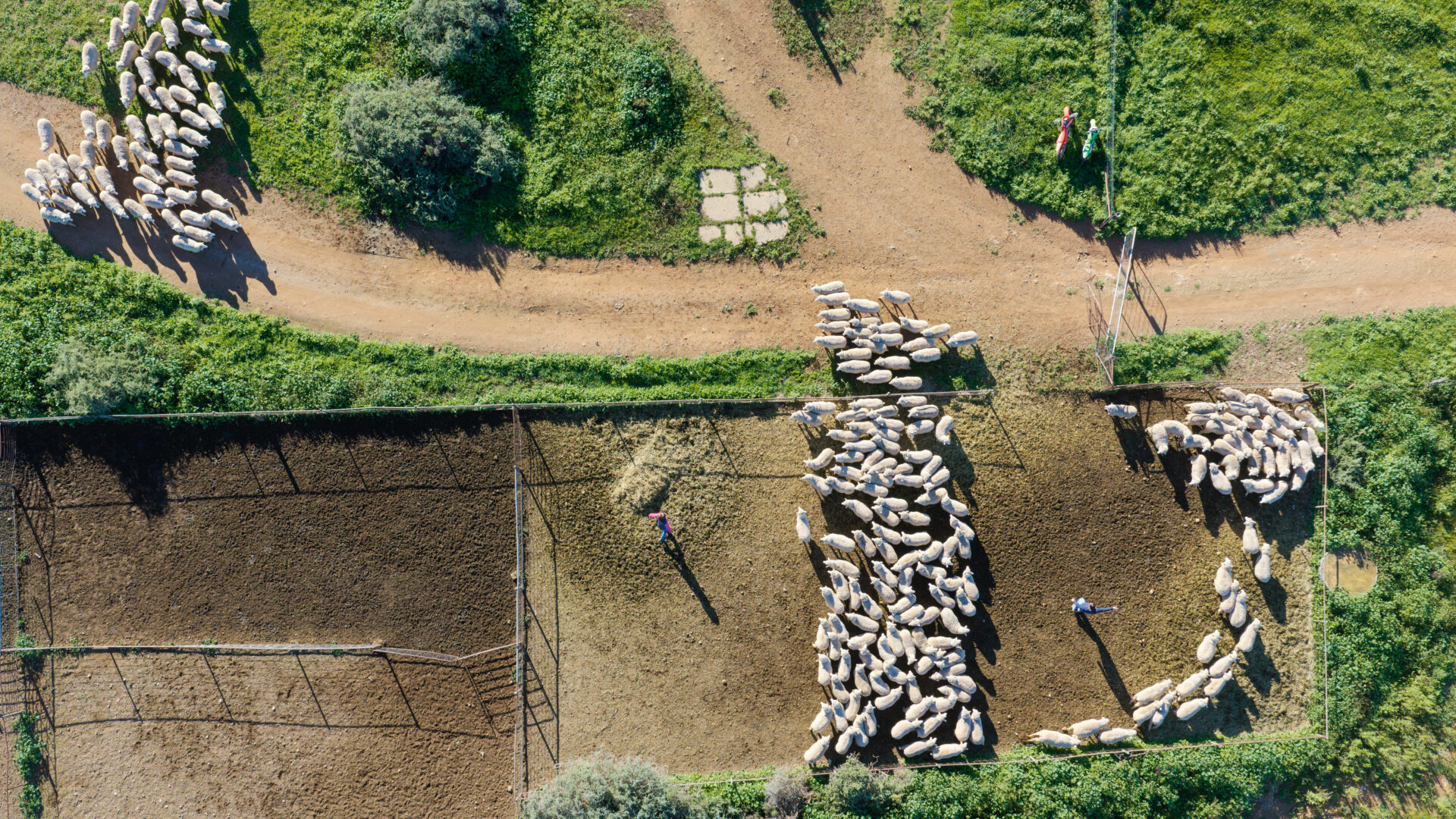
The same data-driven approach runs through to the feedlot, where wether lambs enter containment around February onto a cereal-legume ration the 2025–26 drop averaging 420 grams a day across the mob. Match the right nutrition to the right genetic package, John says, and you just watch them grow.
The consistency has translated directly into business growth. On the back of these ewes, John and Ella have purchased land in their own name outright. And with ewe lamb joining coming on board and individual carcass data on the horizon, they see themselves breaking new ground in the district for years to come, in step with a stud that keeps pushing just as hard.